What is FIFA? It’s a question asked by millions of football fans around the world who follow the sport with passion but may not fully understand the powerful organization behind it. FIFA, short for Fédération Internationale de Football Association, is the international governing body that controls and organizes global football (soccer). From the FIFA World Cup to youth and women’s tournaments, FIFA shapes how the beautiful game is played, managed, and promoted across continents.
In this article, we’ll explore what FIFA is, how it began, its structure, its role in organizing world football, and the controversies and challenges it has faced over time.
Table of Contents
The Origin of FIFA: How It All Began
To truly understand What Is FIFA? The Organization That Runs World Football, one must go back to its roots. FIFA was founded on May 21, 1904, in Paris by representatives from seven European nations — Belgium, Denmark, France, the Netherlands, Spain, Sweden, and Switzerland. The goal was simple yet ambitious: to create a unified international body that could oversee football matches played between different countries.
Before FIFA’s creation, football rules varied from one country to another, causing confusion and disputes. With FIFA’s establishment, there came a standardized set of rules and a shared vision for the sport’s global future. Over time, this small European organization evolved into the most powerful sports institution in the world.
The Structure of FIFA: How It Operates
In understanding What Is FIFA? The Organization That Runs World Football, it’s important to know how FIFA is structured. FIFA operates as a non-profit association with 211 member associations, representing nearly every country in the world. Each member association manages football in its respective nation and reports to FIFA through one of six continental confederations:
- AFC (Asia) – Asian Football Confederation
- CAF (Africa) – Confederation of African Football
- CONCACAF (North and Central America & the Caribbean)
- CONMEBOL (South America)
- OFC (Oceania)
- UEFA (Europe)
At the top of this vast structure is the FIFA Congress, which serves as the main decision-making body. The FIFA President, elected every four years, leads the organization. Currently, the President represents the face of FIFA globally, making key decisions on development programs, tournament hosts, and international regulations.
The Role of FIFA in Global Football
When answering What Is FIFA? The Organization That Runs World Football, one must understand its primary responsibilities. FIFA’s main goal is to “develop the game, touch the world, and build a better future through football.” This vision is implemented through several functions:
- Organizing Global Tournaments: FIFA is best known for organizing the FIFA World Cup, the most-watched sporting event on Earth. It also manages other tournaments like the FIFA Women’s World Cup, FIFA U-17 and U-20 World Cups, and FIFA Club World Cup.
- Setting the Laws of the Game: FIFA works with the International Football Association Board (IFAB) to ensure consistent and fair rules worldwide.
- Developing Football Worldwide: Through programs like FIFA Forward, the organization funds football infrastructure, training, and youth development projects in developing nations.
- Regulating International Transfers and Player Eligibility: FIFA maintains rules regarding player transfers, contracts, and nationality representation to ensure fair play.
Major Tournaments Managed by FIFA
An important part of What Is FIFA? The Organization That Runs World Football is understanding the major tournaments under its banner. The FIFA World Cup, first held in 1930 in Uruguay, remains the most prestigious competition in global football. It brings together 32 (soon to be 48) national teams from around the world to compete for ultimate glory.
Apart from the men’s event, FIFA also organizes:
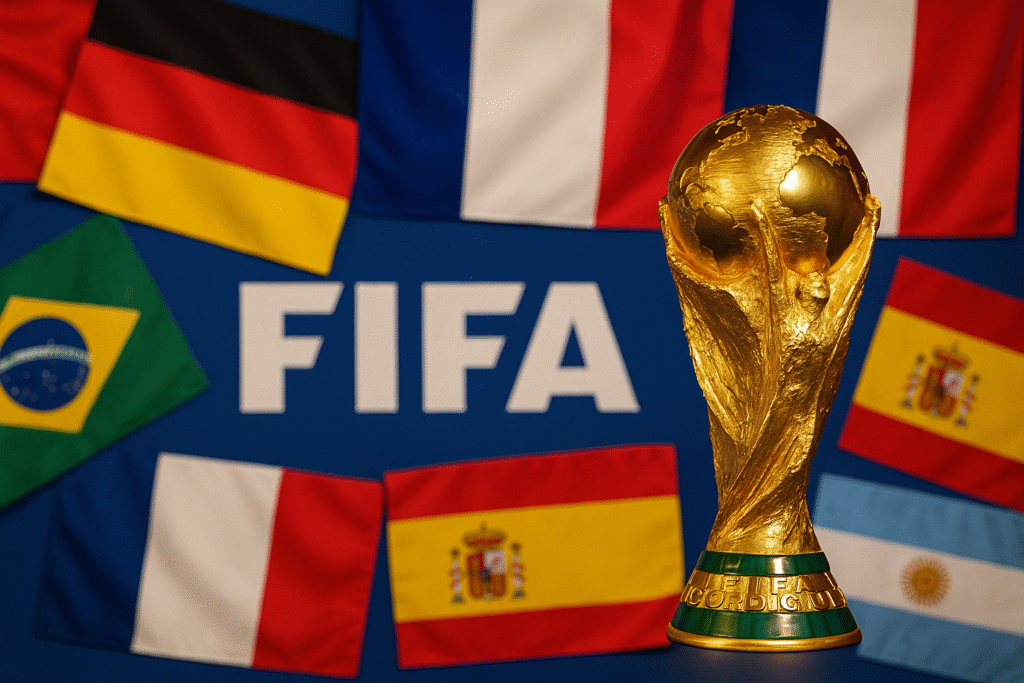
- FIFA Women’s World Cup (first held in 1991)
- FIFA U-20 and U-17 World Cups for youth players
- FIFA Futsal World Cup and FIFA Beach Soccer World Cup
- FIFA Club World Cup, featuring the best clubs from each continent
These tournaments have helped make football a truly global phenomenon, uniting nations through passion and sport.
FIFA’s Global Impact and Contributions
The influence of FIFA extends far beyond the football pitch. When discussing What Is FIFA? The Organization That Runs World Football, one must acknowledge its role in shaping social and cultural aspects of the world. FIFA invests millions in grassroots programs, women’s football, and community outreach.
For example:
- The FIFA Forward Programme channels funds to smaller nations to build training facilities and stadiums.
- The Football for Schools initiative encourages children worldwide to participate in football and education simultaneously.
- FIFA also advocates for fair play, anti-racism, and gender equality in sports.
Through these efforts, FIFA doesn’t just govern football — it uses football as a tool for global development and unity.
Controversies and Criticisms Surrounding FIFA
No discussion about What Is FIFA? The Organization That Runs World Football is complete without acknowledging its controversies. Over the years, FIFA has faced multiple allegations of corruption, favoritism, and poor governance — particularly regarding the bidding process for hosting the World Cup.
Scandals in 2015 led to the resignation of then-President Sepp Blatter, and several FIFA officials were charged with bribery and fraud. Since then, FIFA has taken steps to restore its reputation by increasing transparency and introducing ethical reforms.
While the organization has improved in recent years, critics still call for more accountability and democratic decision-making. These incidents remind fans that even the most powerful sports bodies must uphold integrity to maintain trust.
The Future of FIFA and Global Football
Looking ahead, What Is FIFA? The Organization That Runs World Football also means understanding its evolving future. FIFA is now focusing on technology, sustainability, and inclusivity. The introduction of VAR (Video Assistant Referee) has modernized officiating. The expansion of the FIFA World Cup 2026 to 48 teams aims to give more countries the chance to compete on the biggest stage.
Moreover, FIFA is investing in women’s football, ensuring equal opportunities and growing global interest in the women’s game. The organization also plans to use artificial intelligence, data analytics, and digital engagement to reach younger audiences worldwide.
Through these changes, FIFA hopes to maintain its position as the heartbeat of global football in the 21st century.
Conclusion
Now that you know what is FIFA, it’s clear that this organization is much more than just a tournament manager—it is the heartbeat of world football. From organizing the biggest competitions to shaping the rules and future of the sport, FIFA’s influence is unmatched.
However, with great power comes great responsibility. As football continues to evolve, FIFA’s challenge will be to balance growth, fairness, and integrity. Whether it’s through developing nations, empowering women, or embracing technology, FIFA’s ultimate goal remains the same — to unite the world through the power of football.