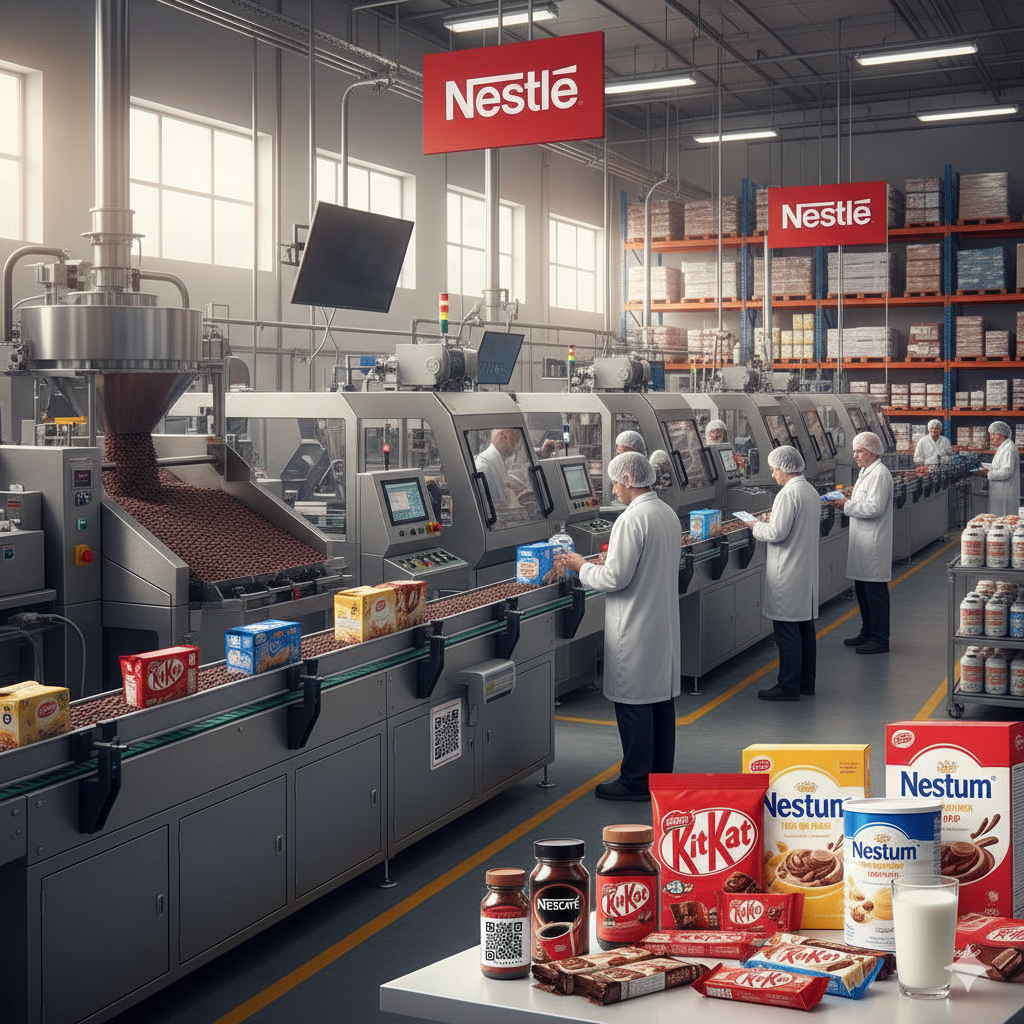
Nestlé has become more than just a brand — it’s a symbol of consistency, trust, and quality that transcends generations and geographies. From baby food to coffee, chocolates to bottled water, Nestlé has established itself as a global powerhouse in the food and beverage industry. What’s remarkable is not only the scale of its business but also the emotional connection it has built with billions of consumers around the world. This connection is what we call “The Nestlé Effect” — the art of creating trust through strong, consistent branding.
Table of Contents
The Origin of Nestlé and Its Global Journey
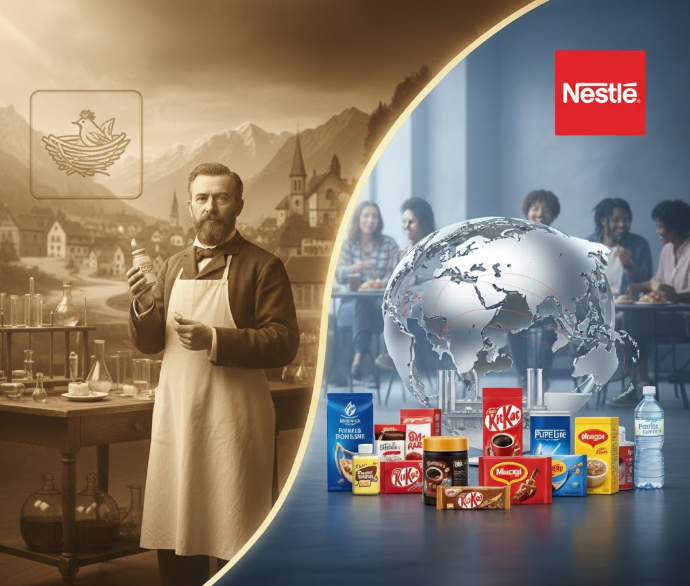
The story of Nestlé began in 1867 when a Swiss pharmacist, Henri Nestlé, created Farine Lactée, a milk-and-wheat formula that saved countless infants from malnutrition. The early success of this product established the company’s foundation on trust and quality — two principles that still define Nestlé’s identity today.
By merging with the Anglo-Swiss Condensed Milk Company in 1905, Nestlé gained a global presence. Over the years, it expanded through product innovation, strategic acquisitions, and a deep understanding of local markets. Today, Nestlé operates in more than 190 countries, offering products that reach every corner of the world — from rural villages to urban supermarkets.
The company’s iconic tagline, “Good Food, Good Life”, perfectly summarizes its promise. It’s not just about selling products; it’s about enhancing the everyday lives of its consumers.
The Nestlé Effect: Building Brand Trust Through Consistency
What makes Nestlé unique is its ability to maintain brand consistency across diverse markets while adapting to local preferences. This is the essence of The Nestlé Effect.
For example:
- Maggi noodles have become a comfort food in India.
- Nescafé dominates the coffee culture globally.
- KitKat is synonymous with “a break” in countless countries.
Despite cultural and regional differences, the core identity of Nestlé — trust, taste, and nutrition — remains unchanged. This consistent messaging helps Nestlé maintain a trustworthy image, no matter where it operates.
Nestlé’s Branding Strategy: The Power of Familiarity
At the heart of The Nestlé Effect lies one key principle — familiarity breeds trust.
Consumers often choose what feels familiar and reliable, and Nestlé has mastered this psychological insight. Through consistent packaging, messaging, and emotional storytelling, Nestlé products create a sense of comfort and reliability.
Each Nestlé brand, while distinct, carries the same invisible seal of trust. When a consumer picks up a KitKat or opens a jar of Nescafé, they subconsciously associate it with Nestlé’s promise of quality. This subtle yet powerful association is a result of decades of careful brand architecture and consistent communication.
The Psychology Behind The Nestlé Effect
Trust is not built overnight — it’s cultivated through experience, consistency, and authenticity.
Here’s how Nestlé achieves this psychological edge:
- Emotional Connection: Nestlé ads often focus on family, warmth, and togetherness — emotions that resonate universally.
- Reliability Over Time: For more than 150 years, Nestlé has delivered products that live up to expectations, reinforcing dependability.
- Transparency: In recent years, the brand has emphasized nutritional clarity and sustainability efforts, building consumer confidence.
- Adaptability: While the global message remains consistent, local campaigns are tailored to cultural nuances — making the brand relatable everywhere.
This combination of emotional and rational trust forms the foundation of The Nestlé Effect.
Sustainability and Social Responsibility: Trust Beyond Products

In today’s world, consumers trust brands that align with their values. Nestlé understands this shift and has made sustainability a cornerstone of its brand identity.
- Environmental Goals: Nestlé aims for net zero carbon emissions by 2050.
- Sustainable Packaging: It’s working toward 100% recyclable packaging by 2025.
- Ethical Sourcing: The company supports farmers through responsible sourcing programs for coffee, cocoa, and dairy.
- Community Programs: From providing clean water to promoting nutrition education, Nestlé invests in long-term community well-being.
By extending its brand values beyond products, Nestlé reinforces its trustworthiness and positions itself as a responsible global citizen.
Innovation: The Secret Ingredient of The Nestlé Effect
One might assume that a brand as old as Nestlé would rely solely on its legacy, but that’s far from true. Innovation is deeply woven into its DNA.
Nestlé continually adapts to changing consumer trends — whether it’s plant-based foods, low-sugar options, or digital engagement.
For example:
- Nescafé Dolce Gusto introduced café-style experiences at home.
- Nestlé Health Science entered the wellness and nutrition segment.
- Maggi constantly reinvents its flavors to suit regional tastes.
This commitment to innovation while maintaining authenticity ensures that Nestlé remains relevant in every generation — a key aspect of The Nestlé Effect.
The Business Impact of Brand Trust
Trust directly influences business performance.
When customers trust a brand like Nestlé, they are:
- More likely to repurchase
- Less price-sensitive
- More loyal in the long term
- Likely to recommend it to others
This trust translates into strong financial results. Nestlé’s annual revenues consistently exceed CHF 90 billion, with a portfolio of over 2,000 brands serving billions of consumers daily.
Its consistent performance in both emerging and developed markets proves that brand trust is not just emotional — it’s profitable.
The Nestlé Effect in the Digital Era
Even in the age of social media, where brand reputations can change overnight, Nestlé has managed to preserve its credibility.
Through authentic storytelling, influencer partnerships, and transparent communication, Nestlé continues to engage audiences meaningfully.
Campaigns like “Share Your Break with KitKat” or “It All Starts with a Nescafé” encourage community and conversation — essential for sustaining modern trust.
Lessons Other Brands Can Learn from Nestlé
- Consistency is Key: Maintain the same brand promise across all touchpoints.
- Adapt Locally: Speak the language of your audience — culturally and emotionally.
- Prioritize Quality: Trust begins when products meet expectations every time.
- Communicate Authentically: Transparency builds long-term credibility.
- Evolve Continuously: Keep innovating while staying true to your roots.
These principles form the backbone of The Nestlé Effect, offering valuable insights for businesses aiming to build lasting brand trust.
Conclusion: The Timeless Power of The Nestlé Effect
In an era where consumer loyalty is fleeting, Nestlé stands as a beacon of enduring trust. Its success isn’t built merely on marketing or product variety, but on a deeper commitment to quality, consistency, and credibility.
The Nestlé Effect teaches us that true brand power lies not in flashy campaigns or temporary trends, but in nurturing relationships that span generations. When people trust your brand enough to bring it into their homes — every day, across decades — that’s not just success.
That’s The Nestlé Effect in action.