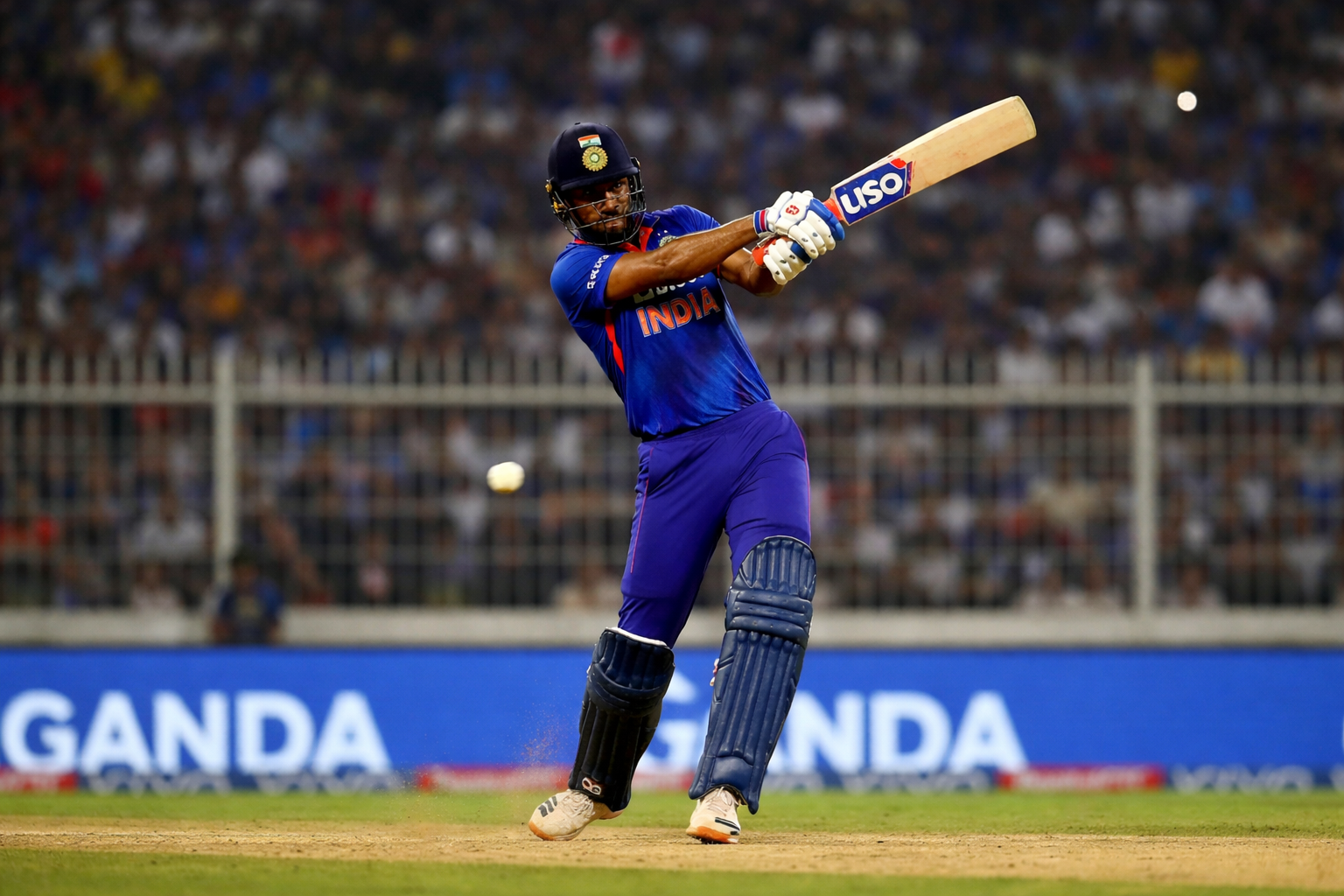
T20I Series has become the heartbeat of modern cricket, delivering fast-paced action, nail-biting finishes, and unforgettable moments in just a few hours. From packed stadiums to record-breaking TV viewership, this format has completely changed how fans consume the game. What once felt like an experiment is now one of the most powerful forces shaping international cricket.
In this article, we’ll explore why the T20I format creates such intense drama, how it transformed player strategies, why fans love it so deeply, and what the future holds for this explosive version of the sport.
Table of Contents
T20I Series and the Rise of Short-Format Cricket
Cricket was traditionally a slow-burning sport. Test matches stretched across five days, and even ODIs demanded an entire afternoon. Then came the short-format revolution. The idea was simple: reduce overs, increase urgency, and make every ball count.
The result was a format where:
- One mistake can change the match
- One over can flip momentum completely
- One player can become a hero in minutes
This immediacy is the soul of a T20I Series. With just 120 legal balls per team, captains must think faster, bowlers must adapt instantly, and batters must attack from ball one. There is no time to settle in, and that constant pressure is what fuels the drama.
Over the years, boards around the world began scheduling more short-format internationals because they fit perfectly into modern lifestyles. Fans can watch a full game after work, advertisers get high engagement, and players get a global stage to showcase fearless cricket.
T20I Series: Why Drama Is Guaranteed Every Match
Drama in cricket often comes from uncertainty, and no format produces uncertainty like this one. Even a target of 200 runs, once considered impossible, now feels chaseable.
Here’s why a T20I Series almost always delivers edge-of-the-seat moments:
1. Momentum Shifts Happen Instantly
A single over with three sixes can erase pressure built over ten overs. Similarly, two quick wickets can turn a winning chase into a collapse. This constant swing keeps viewers glued till the last ball.
2. High-Risk, High-Reward Cricket
Batters go for shots they would never attempt in longer formats. Reverse sweeps, switch hits, scoops, and ramps are common. Sometimes they succeed spectacularly, sometimes they fail—but either way, entertainment is guaranteed.
3. Tight Finishes
Super overs, last-ball sixes, and one-run victories are far more frequent. A T20I Series often goes down to the final match, making every game feel like a mini-final.
This unpredictability is the main reason even casual sports fans tune in. You don’t need deep technical knowledge to enjoy the excitement—pure emotion does the job.
T20I Series and the Evolution of Player Mindsets
Short-format cricket didn’t just change match duration; it changed how cricketers think.
Batters today are trained to:
- Score at a strike rate above 150
- Target specific bowlers
- Exploit fielding restrictions aggressively
Bowlers, on the other hand, have developed new skills:
- Slower balls with multiple variations
- Wide yorkers under pressure
- Data-driven plans for each batter
A T20I Series has become a testing ground for innovation. Many strategies first seen here later influence ODIs and even Test cricket. The fearless attitude of younger players, who grew up watching this format, has redefined what is considered “acceptable risk” in international cricket.
Fielding standards have also skyrocketed. Quick singles, diving stops, and acrobatic catches are no longer bonuses—they are necessities. One misfield can be the difference between winning and losing.
T20I Series as a Global Fan Phenomenon
One of the biggest achievements of this format is how it expanded cricket’s global reach.
Short-format internationals:
- Attract younger audiences
- Perform exceptionally well on digital platforms
- Are easy to market internationally
A T20I Series played between two nations often trends worldwide on social media, with clips of sixes and wickets going viral within minutes. Fans don’t just watch matches anymore; they actively participate through memes, debates, and instant reactions.
For countries trying to grow the sport, this format acts as a gateway. New fans who start with short matches often develop interest in longer formats later. In that sense, the short format doesn’t replace traditional cricket—it strengthens the entire ecosystem.
T20I Series vs Traditional Formats: A New Balance
There is often debate about whether short-format cricket harms the essence of the game. The reality is more balanced.
Test cricket still represents skill, patience, and endurance. ODIs balance strategy and stamina. A T20I Series, however, represents innovation, instinct, and instant impact.
Each format now has a clear identity:
- Tests test technique and temperament
- ODIs test adaptability over a full day
- T20Is test courage under extreme pressure
Rather than competing, these formats now coexist, serving different audiences and purposes. International calendars are structured to maintain this balance, ensuring the sport remains diverse and engaging.
T20I Series and Young Talent Opportunities
Another major contribution of this format is how it accelerates careers. A single outstanding performance can make a young player a household name overnight.
Selectors often use a T20I Series to:
- Test bench strength
- Give chances to uncapped players
- Experiment with new combinations
Because matches are short, pressure situations arrive quickly, revealing who can handle international intensity. Many modern stars first grabbed attention with fearless performances in this format before establishing themselves elsewhere.
For fans, this means constant freshness—new faces, new styles, and new stories in every series.
The Business and Entertainment Power of T20I Series
From broadcasters to sponsors, everyone understands the commercial strength of this format. Short matches deliver:
- High ad recall
- Consistent prime-time slots
- Massive social media engagement
This financial success helps cricket boards invest in infrastructure, grassroots programs, and player development. In a way, the entertainment value of short-format internationals supports the long-term health of the sport.
T20I Series and the Future of International Cricket
Looking ahead, this format is only going to grow stronger. With technology, analytics, and evolving playing styles, matches will become even more competitive and unpredictable.
However, the core appeal will remain unchanged:
- Speed
- Drama
- Accessibility
- Emotion
A T20I Series is not just about runs and wickets—it’s about moments that fans remember long after the match ends.
Conclusion: Short Format, Everlasting Impact
Cricket has many faces, but none shine as brightly, as quickly, or as loudly as this one. The blend of pressure, creativity, and raw entertainment makes this format irresistible.
Whether you are a lifelong cricket lover or a first-time viewer, the thrill is universal. Every ball matters, every decision counts, and every match feels alive until the very end. That is why the short format continues to dominate conversations, screens, and hearts across the cricketing world.