
T20I cricket is today one of the most exciting and influential formats in the sport, transforming how fans watch, players prepare, and nations approach international competition.
What began as a bold experiment has grown into a global phenomenon that attracts millions of viewers across continents and generations. This article explores the complete journey of this format — from its origin and early struggles to its rise as a cultural and commercial powerhouse in world cricket.
Table of Contents
The Birth of T20I Cricket
The idea of a shorter international cricket format emerged in the early 2000s, when administrators realized that traditional formats were struggling to keep younger audiences engaged. Long match durations and changing entertainment habits forced cricket’s governing bodies to think differently.
The first official international match in this format was played in 2005 between New Zealand and Australia in Auckland. At that time, many players and experts viewed the concept as a novelty rather than a serious competition. However, the initial response from fans was encouraging. Stadiums were fuller, matches were faster, and the outcome was decided within a single evening — something that appealed strongly to modern audiences.
This early success encouraged the International Cricket Council to officially recognize and promote the format at the international level.
Early Challenges and Acceptance of T20I
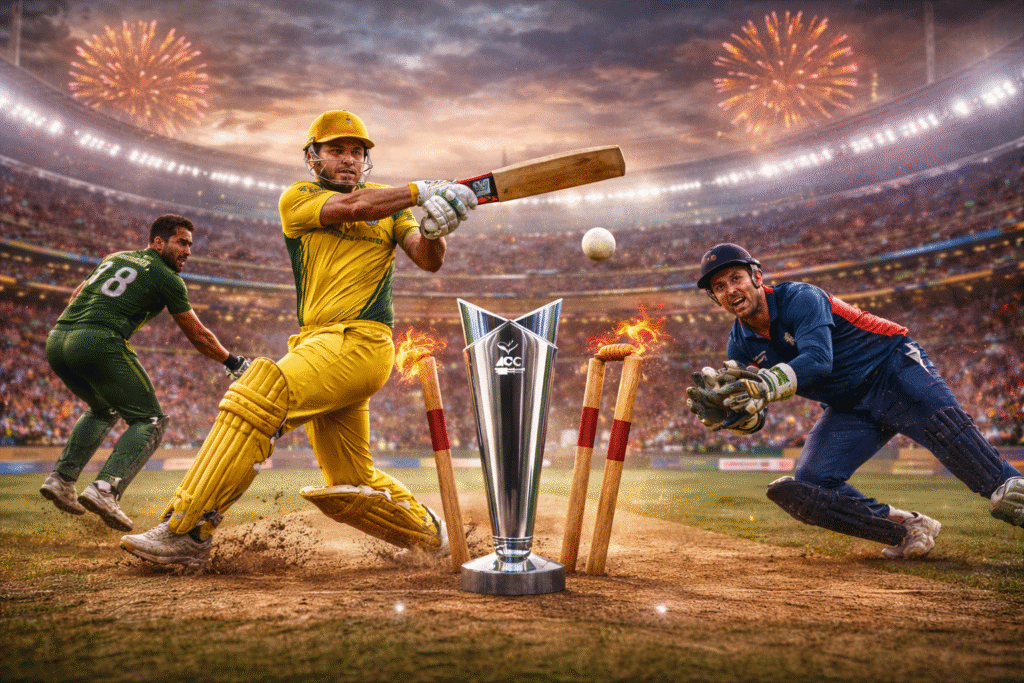
Despite early enthusiasm from spectators, acceptance among traditionalists was slow. Critics argued that the shorter format diluted technique, reduced the importance of patience, and favored power over skill. Many senior players initially treated these matches as exhibition games rather than serious international contests.
However, as more matches were played, teams began to realize that success required a different but equally complex skill set. Smart bowling changes, athletic fielding, innovative batting shots, and sharp decision-making became crucial. Gradually, strategies evolved and teams started taking the format more seriously.
The turning point came when international tournaments were introduced, giving players and teams a global stage to compete for prestige rather than just entertainment.
T20I and the World Cup Effect
The launch of the ICC T20 World Cup in 2007 completely changed the perception of the format. The tournament delivered thrilling finishes, unexpected results, and unforgettable performances. A young Indian team winning the inaugural edition captured the imagination of fans worldwide and proved that the format could produce drama equal to — if not greater than — longer versions of the game.
After this success, cricket boards began scheduling more international matches in this format. Players started specializing, coaching methods adapted, and fitness standards improved to meet the intense demands of fast-paced games. The format was no longer an experiment; it had become a permanent and respected part of the international calendar.
T20I Team Status and Global Expansion
One of the most significant developments in the growth of this format was the expansion of team eligibility. Initially limited to traditional cricketing nations, international status was later granted to all ICC member countries. This decision allowed emerging nations to compete on a global stage and gain valuable exposure.
As a result, cricket expanded into new regions such as Europe, North America, and parts of Africa. Smaller nations found the shorter format more accessible due to lower costs, shorter tours, and quicker results. This inclusivity helped international cricket grow beyond its traditional boundaries and created a more competitive global environment.
How T20I Changed Playing Styles and Strategy
The impact of this format on playing styles has been profound. Batting became more innovative, with players developing new shots and techniques to score quickly. Bowlers responded by mastering variations such as slower balls, yorkers, and spin-based deception. Fielding standards rose dramatically, as saving a single run or executing a sharp catch could decide the outcome.
Team selection also changed. All-rounders who could contribute in multiple disciplines became highly valuable, while captains needed strong tactical awareness to manage limited overs effectively. This strategic evolution influenced even longer formats, showing how innovation in one area can reshape the entire sport.
The Commercial and Cultural Rise of T20I
Beyond the field, the format revolutionized cricket’s commercial appeal. Shorter matches fit perfectly into television schedules, attracted advertisers, and boosted digital engagement. Social media highlights, viral moments, and instant fan interaction helped build a younger, more global fan base.
Culturally, cricket became more inclusive and entertainment-driven. Music, colorful kits, and family-friendly match timings transformed the stadium experience. International players became global stars, and rivalries gained new intensity through frequent encounters.
The Future of T20I Cricket
Looking ahead, this format is expected to remain a central pillar of international cricket. Its inclusion in multi-sport events and discussions around Olympic participation highlight its global relevance. While traditional formats continue to hold historical and technical importance, the shorter version ensures that cricket stays connected to evolving audience preferences.
With continuous innovation in rules, technology, and broadcasting, the format is likely to grow even further, bringing new fans and nations into the game.
Conclusion: Why T20I Is a Global Craze
From a single experimental match to worldwide popularity, T20I cricket has redefined what international cricket can be. It combines skill, speed, strategy, and entertainment into a compact experience that resonates with modern audiences. Its journey reflects cricket’s ability to adapt without losing its essence — a balance that ensures the sport’s relevance for generations to come.