FIFA is not just a football organization — it is the heartbeat of world football, controlling the most popular sport on the planet. From organizing the legendary FIFA World Cup to setting the rules that shape every match, FIFA’s influence extends far beyond the pitch. Over more than a century, this organization has evolved into the most powerful sports body on Earth, with authority, money, and global reach unmatched by any other.
Table of Contents
⚽ FIFA: The Foundation of World Football
Founded in 1904 in Paris, FIFA — Fédération Internationale de Football Association — began as a small group of seven European football associations. Its initial goal was simple: to promote international competition and standardize the rules of football.
However, what started as a small governing body soon grew into a global empire. Today, FIFA has 211 member associations, more than the United Nations. It manages football’s official regulations, coordinates global tournaments, and ensures that the “beautiful game” is played the same way in every corner of the world.
This scale of control and organization is one of the key reasons FIFA has become the world’s most powerful sports organization.
🌍 How FIFA Built Its Global Empire
The rise of FIFA is a story of vision, opportunity, and strategy. Here’s how the organization transformed into a global powerhouse:
- Global Reach: FIFA expanded beyond Europe early in the 20th century, inviting countries from Asia, Africa, and the Americas. This inclusivity made it a truly global body.
- The World Cup Revolution: The launch of the FIFA World Cup in 1930 changed everything. It became the most-watched sporting event on Earth, surpassing even the Olympics in viewership.
- Massive Broadcasting Deals: By the late 20th century, FIFA’s broadcast rights and sponsorships generated billions. Today, TV deals from the FIFA World Cup are its biggest revenue source.
- Corporate Partnerships: Major brands like Adidas, Coca-Cola, and Visa became long-term FIFA sponsors, giving the organization financial stability and influence.
- Digital Expansion: In the 21st century, FIFA embraced technology, creating official apps, digital platforms, and even eSports tournaments under the FIFA name.
Through these steps, FIFA built a brand recognized in every country — a name synonymous with football itself.
🏆 FIFA’s Role in Shaping the Game
FIFA is not just an organizer; it’s the rule-maker and referee of the football world. It works with the International Football Association Board (IFAB) to standardize the rules — everything from offside decisions to VAR (Video Assistant Referee) technology.
The organization also promotes youth football, women’s football, and grassroots development. Programs like “FIFA Forward” and “Football for Schools” aim to make the sport accessible to all, regardless of geography or wealth.
This combination of policy-making and development gives FIFA immense control over how football evolves — making it more than just an association, but a global authority in sport.
💰 The Power of Money: FIFA’s Financial Influence
Money is a major reason behind FIFA’s dominance. The organization generates billions of dollars every four years, mainly from broadcasting and sponsorships related to the FIFA World Cup.
According to FIFA’s financial reports:
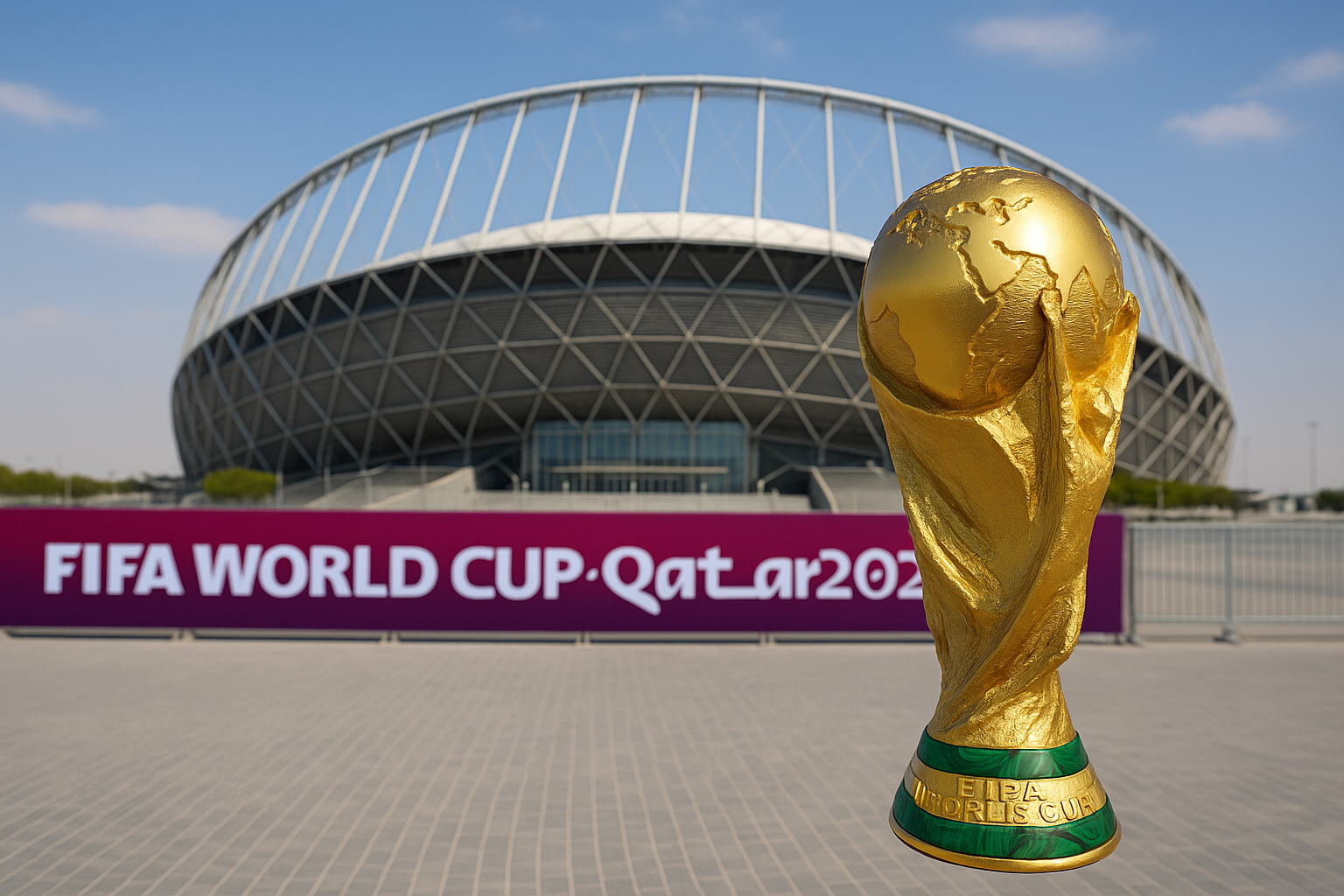
- The 2022 World Cup in Qatar alone brought in over $7.5 billion in revenue.
- FIFA reinvests part of this money into football development programs worldwide, strengthening its influence even further.
Financial independence means FIFA doesn’t rely on governments or external organizations — it operates as a self-sustained empire, capable of shaping global football policy with complete autonomy.
🌐 FIFA’s Political Power and Global Impact
Beyond the sport, FIFA wields significant political power. Hosting a FIFA World Cup can transform a country’s infrastructure, economy, and global image. Nations spend billions to win hosting rights, knowing that FIFA’s approval can boost tourism and national pride.
However, this power has also brought controversy. FIFA has faced criticism over corruption, transparency, and governance issues — especially in the 2010s. Yet, under the leadership of Gianni Infantino, the organization has pushed reforms to restore trust, focusing on accountability and inclusivity.
Even with its flaws, FIFA’s ability to influence governments, corporations, and cultures shows just how deeply it shapes the modern world.
⚽ FIFA: Driving the Future of Football
As football evolves, FIFA continues to innovate. The upcoming FIFA World Cup 2026 will feature 48 teams, making it the largest in history. New technologies like AI-driven match analysis, VAR upgrades, and sustainability programs reflect FIFA’s vision for the future.
Moreover, FIFA is promoting gender equality by investing more in women’s football. The success of the 2023 Women’s World Cup in Australia and New Zealand proved that women’s football can draw record audiences — something FIFA aims to expand globally.
FIFA is also focusing on digital engagement, environmental sustainability, and youth development, ensuring that the sport remains relevant in a fast-changing world.
🌟 Why FIFA Is the Most Powerful Sports Organization on Earth
In summary, FIFA’s power comes from a perfect mix of global reach, financial strength, and cultural influence. No other sports organization:
- Governs a game played by over 250 million people worldwide.
- Generates billions in revenue every tournament.
- Commands the loyalty of 211 national associations.
- And influences both sports and society at the same time.
From humble beginnings in 1904 to the global empire it is today, FIFA stands as the ultimate authority in world football — the most powerful sports organization on Earth.
⚽ FAQ – About FIFA (Fédération Internationale de Football Association)
1. What is FIFA and what does it stand for?
FIFA stands for Fédération Internationale de Football Association. It is the global governing body of football (soccer) responsible for organizing international competitions like the FIFA World Cup and setting the official rules of the game.
2. When was FIFA founded and where is it headquartered?
FIFA was founded on May 21, 1904 in Paris, France. Its headquarters are located in Zurich, Switzerland.
3. What is the main role of FIFA?
FIFA’s main role is to govern, organize, and promote football globally. It regulates international competitions, manages the FIFA World Cup, maintains team rankings, and supports football development programs in 211 member countries.
4. Who is the current president of FIFA?
The current FIFA President is Gianni Infantino, who took office in 2016. His focus has been on expanding football worldwide and improving transparency within the organization.
5. How does FIFA make money?
FIFA earns most of its revenue through broadcasting rights, sponsorships, licensing, and ticket sales — especially from the FIFA World Cup. The organization reinvests part of these funds into football development globally.
6. How many countries are part of FIFA?
FIFA currently has 211 member associations, making it one of the largest sports organizations in the world — even larger than the United Nations.
7. What are the major tournaments organized by FIFA?
FIFA organizes several major tournaments including:
- FIFA World Cup (Men’s & Women’s)
- FIFA U-20 & U-17 World Cups
- FIFA Club World Cup
- FIFA Futsal World Cup
- FIFA Beach Soccer World Cup
8. What controversies has FIFA faced in the past?
FIFA has faced corruption and transparency issues in the past, particularly around World Cup bidding processes. Since then, reforms have been introduced to ensure accountability and restore global trust.
9. What makes FIFA the most powerful sports organization in the world?
FIFA’s global reach, financial strength, and cultural influence make it the most powerful sports organization on Earth. It governs football — a sport played by over 250 million people — and generates billions in revenue every four years.
10. What is the future vision of FIFA?
FIFA’s vision is to make football truly global, accessible, and inclusive. It aims to strengthen women’s football, youth development, sustainability, and fair play across all nations.