Maruti Suzuki – a name that every Indian household recognizes, a brand that became synonymous with trust, affordability, and reliability. From launching India’s most loved small car, the Maruti 800, to introducing premium SUVs like the Grand Vitara, Maruti Suzuki has not just sold cars — it has shaped India’s automobile culture. This is the story of how Maruti Suzuki evolved from a humble beginning to becoming the largest car manufacturer in India, driving the dreams of millions for over four decades.
Table of Contents
Maruti Suzuki: The Beginning of a Revolution
The journey of Maruti Suzuki started in 1981, when Maruti Udyog Limited was established by the Government of India. In 1982, a landmark collaboration took place with Suzuki Motor Corporation of Japan, marking the beginning of a new era in the Indian automobile industry. Before this, owning a car in India was a luxury very few could afford. Cars were expensive, spare parts were scarce, and service networks were almost non-existent.
Maruti Suzuki changed all that. With the launch of its first car, the Maruti 800 in 1983, the company gave the Indian middle class their first taste of owning a personal car — one that was affordable, fuel-efficient, and easy to maintain. The Maruti 800 quickly became a national sensation and an emotional symbol of progress for millions of families.
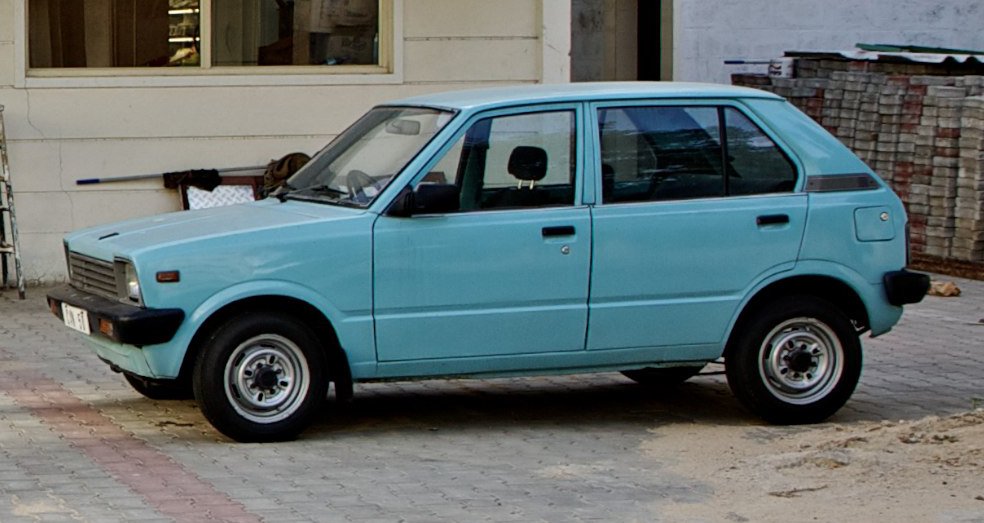
Maruti 800: The Car That Motorized India
The Maruti 800 was more than just a car; it was a dream come true for many. Its small size, peppy engine, and low running cost made it perfect for Indian roads and wallets. It provided mobility to a generation that was previously dependent on scooters or public transport.
The success of Maruti 800 laid the foundation for Maruti Suzuki’s dominance in the Indian market. It became the first mass-market car of independent India, selling over 2.7 million units over its production run. For nearly three decades, the Maruti 800 ruled the roads before being phased out in 2014 — but its legacy continues to inspire every Maruti car that followed.
Expansion and Innovation: Building an Empire
After the success of the Maruti 800, Maruti Suzuki continued to innovate and expand. The company understood the pulse of Indian consumers and introduced models that matched their needs. Cars like the Omni, Gypsy, and Esteem captured new market segments, while maintaining Maruti’s signature traits of reliability and affordability.
In the late 1990s and early 2000s, Maruti launched several popular models such as the WagonR, Zen, and Alto. Each of these cars became a segment leader and further strengthened Maruti’s position as the go-to brand for the Indian family.
The Alto, in particular, became the spiritual successor to the Maruti 800, topping the sales charts for more than a decade. With its compact design, strong mileage, and budget-friendly price, it became India’s best-selling car.
Privatization and Global Growth
In 2003, the Indian government sold its remaining stake in Maruti, making Maruti Suzuki India Limited (MSIL) a subsidiary of Suzuki Motor Corporation. This privatization allowed Maruti to make faster decisions, adopt global standards, and introduce international technologies to Indian consumers.
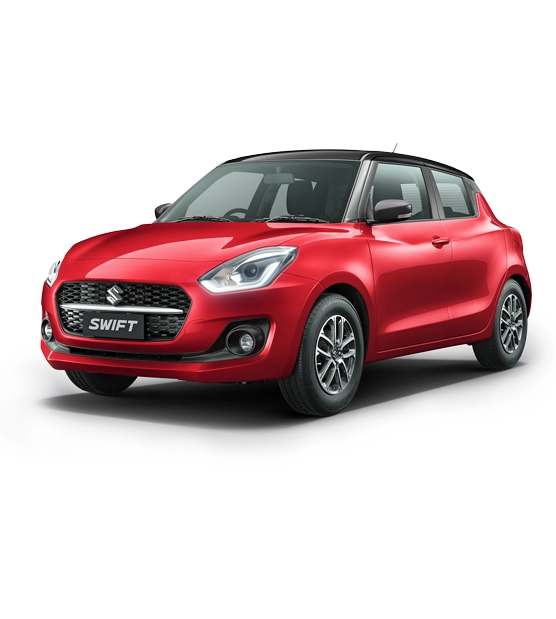
The new era brought with it a wave of modern, fuel-efficient cars equipped with advanced safety and emission standards. Cars like the Swift (launched in 2005) revolutionized the hatchback segment with its sporty design and youthful appeal. The Swift Dzire, Ritz, and Ertiga followed, each capturing a strong position in their respective segments.
Maruti Suzuki’s ability to read the market and offer exactly what the Indian consumer wanted — stylish yet affordable cars — ensured its continued success.
The Nexa Experience: A Premium Leap
In 2015, Maruti Suzuki introduced Nexa, a premium dealership network aimed at offering a high-end buying experience to customers. This move marked Maruti’s foray into the premium car market, which had long been dominated by global players like Hyundai, Honda, and Toyota.
Through Nexa, Maruti launched cars like the Baleno, Ciaz, Ignis, and S-Cross — all of which became highly successful. Nexa showrooms offered customers a luxurious buying experience with advanced digital tools, personalized service, and exclusive events.
This strategy not only enhanced Maruti Suzuki’s brand image but also attracted a new generation of urban buyers who sought sophistication along with reliability.
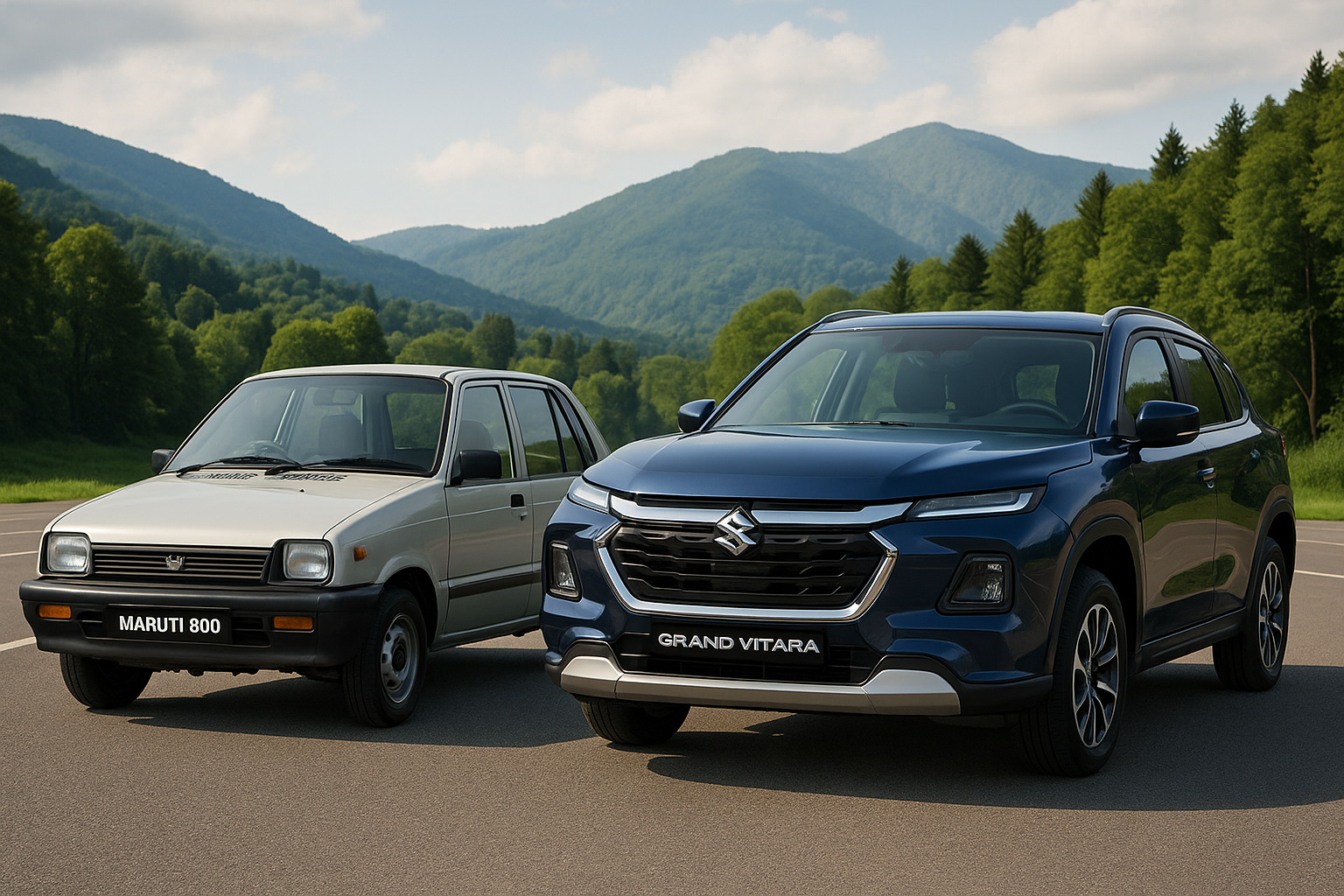
Maruti Suzuki in the SUV Era: The Grand Vitara
As consumer preferences shifted toward SUVs, Maruti Suzuki adapted swiftly. The company had experimented earlier with models like the Vitara and S-Cross, but it was the launch of the Grand Vitara that truly redefined Maruti’s SUV game.
The Grand Vitara, launched in 2022, marked Maruti’s entry into the strong-hybrid SUV segment. Built in collaboration with Toyota, it combined style, technology, and performance with impressive fuel efficiency. With features like an all-wheel drive option, hybrid technology, and a bold design, the Grand Vitara positioned Maruti Suzuki as a serious contender in the premium SUV market.
Commitment to Sustainability and Innovation
In recent years, Maruti Suzuki has focused heavily on sustainable mobility solutions. The company has invested in CNG, hybrid, and electric vehicle technologies to support India’s green mobility mission. Models like the WagonR CNG, Alto K10 CNG, and the Grand Vitara Hybrid are examples of Maruti’s commitment to eco-friendly transportation.
Additionally, the company has been working on developing an electric version of the WagonR, signaling its future plans to dominate the EV segment as well.
Maruti’s “Mission Green Million” initiative aims to sell one million green vehicles (CNG, hybrid, and electric) in India — a major step toward a cleaner future.
Maruti Suzuki: A Brand That Connects With India
What truly sets Maruti Suzuki apart is not just its cars but its deep emotional connection with Indian consumers. From first-time buyers to luxury seekers, Maruti has something for everyone. The brand’s extensive service network, affordable spare parts, and high resale value have ensured customer loyalty for generations.
Even today, in 2025, Maruti Suzuki dominates the Indian car market with more than 40% market share, selling over 1.6 million vehicles annually. Its manufacturing facilities in Gurugram, Manesar, and Gujarat are among the most advanced in the world, producing both domestic and export models.
The Road Ahead: Future of Maruti Suzuki
Looking to the future, Maruti Suzuki is preparing for a new era of electric and connected mobility. The company plans to launch multiple EVs by 2030, along with advancements in autonomous driving, AI integration, and connected car technologies.
Its upcoming electric SUV, based on the eVX concept, is expected to set new benchmarks in India’s EV market. With a strong hybrid lineup and global collaboration with Toyota, Maruti Suzuki aims to continue leading India’s automobile evolution for decades to come.
Conclusion: From 800 to Grand Vitara — A Legacy Unmatched
From the humble Maruti 800 that gave India its first affordable car to the technologically advanced Grand Vitara that represents the modern SUV era, Maruti Suzuki has come a long way. It has not only evolved with time but has also been the driving force behind India’s automotive transformation.
Maruti Suzuki’s journey is a story of innovation, trust, and resilience — one that continues to inspire millions. As India moves toward a future of sustainable mobility, one thing is certain: Maruti Suzuki will remain the heartbeat of the nation’s roads.