IPL has transformed modern cricket in a way no other tournament ever has, redefining how the sport is played, watched, marketed, and monetized across the globe. What started as a bold experiment in franchise-based cricket has grown into a sporting phenomenon that blends elite competition with mass entertainment. Today, it stands as the benchmark for every T20 league that followed, setting standards not only on the field but far beyond it.
This article explores the real reasons behind that success—factors rooted in vision, structure, timing, and execution—making it clear why this league remains unmatched in the world of short-format cricket.
Table of Contents
The Perfect Timing Behind IPL’s Launch
The emergence of this league came at a moment when cricket was ready for change. Traditional formats were respected but time-consuming, and audiences—especially younger viewers—were shifting toward fast-paced entertainment. The T20 format answered that need, and this tournament capitalized on it brilliantly.
India’s massive cricket-following population, combined with growing television penetration and rising disposable income, created ideal conditions. The league did not need to create an audience; it only needed to organize and energize one. That timing advantage laid the foundation for everything that followed.
IPL as a Global Cricket Carnival

One of the most powerful reasons behind the league’s dominance is its ability to attract the world’s best talent under one roof. International stars from Australia, England, South Africa, New Zealand, the West Indies, and beyond share dressing rooms with emerging Indian players. This global mix elevates the quality of cricket while also broadening international appeal.
Unlike bilateral series, where interest is often limited to two nations, this competition draws attention from fans worldwide. Viewers tune in not just to support teams, but to watch their favorite players perform together or against each other in combinations that international cricket rarely allows.
Franchise Model: A Game-Changing Innovation
At the heart of this success lies the franchise-based structure. Teams are city-centric, creating a strong sense of identity and loyalty among fans. Supporters don’t just follow players; they emotionally invest in franchises that represent their regions.
This structure brings continuity. Even when players change teams, fan loyalty remains intact. Owners, many of whom are established business leaders or entertainment figures, invest heavily in branding, infrastructure, and fan engagement. As a result, each team feels like a long-term project rather than a temporary sporting outfit.
## IPL and the Power of Star Branding
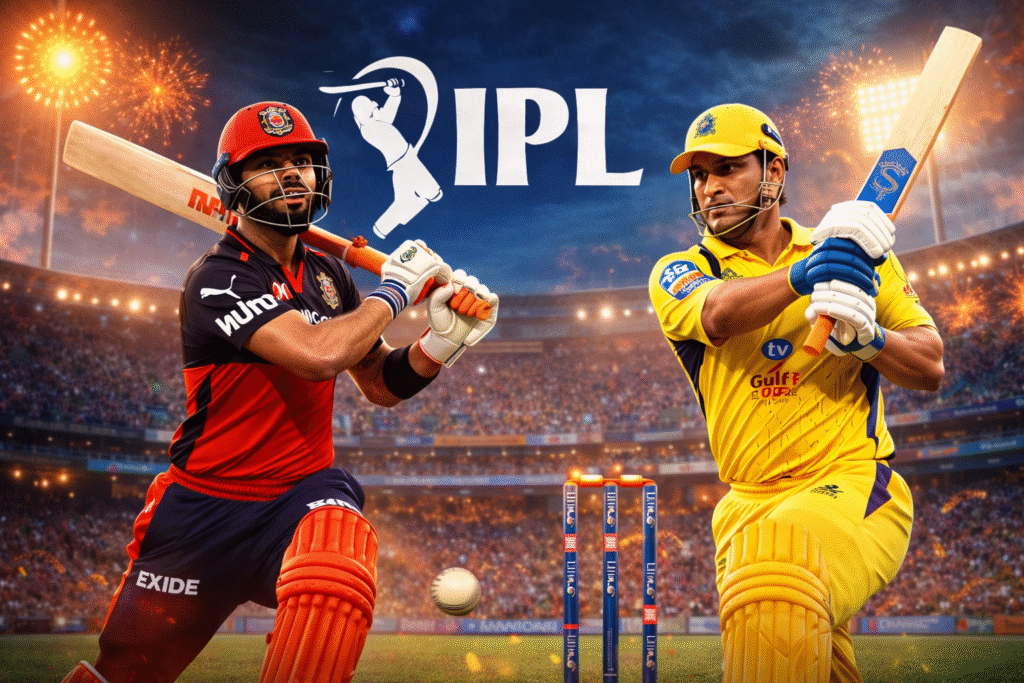
Star power plays a crucial role in the league’s appeal. The presence of legendary cricketers, rising superstars, and charismatic captains turns matches into events rather than mere games. These players bring with them global fanbases, media attention, and credibility.
At the same time, young domestic talents get an unprecedented platform. Sharing the field and dressing room with elite international players accelerates learning and confidence. Many players who once struggled for recognition have used this stage to launch successful international careers.
Entertainment Beyond Cricket
Another defining factor is how seamlessly the league blends sport with entertainment. Matches are designed as complete experiences—music, light shows, celebrity appearances, and high-energy presentation all play a role. This approach attracts viewers who may not traditionally follow cricket.
Importantly, the cricket itself is never overshadowed. The entertainment elements enhance the spectacle without diminishing the competitive intensity. This balance keeps purists engaged while welcoming new audiences into the sport.
Strong Broadcasting and Digital Strategy
The league’s broadcasting model is among the most advanced in global sports. High-definition coverage, multiple camera angles, data-driven graphics, and expert analysis create an immersive viewing experience. Television rights deals have consistently broken records, reflecting enormous demand from broadcasters.
Equally important is the digital push. Streaming platforms, social media clips, behind-the-scenes content, and interactive fan features ensure constant engagement. Even outside match hours, conversations continue online, keeping the league relevant every single day of the season.
Financial Strength and Sustainability
Financial stability is another cornerstone of success. Centralized revenue sharing ensures that all franchises remain competitive, preventing domination by a single team over long periods. Salary caps promote balance, while auctions create transparency and excitement.
Sponsors see immense value due to guaranteed visibility and massive viewership. This steady flow of investment allows franchises to focus on long-term planning—training facilities, analytics teams, scouting networks, and grassroots development.
Impact on Indian and World Cricket
The influence of this league extends far beyond its own season. It has reshaped how players train, how teams analyze performance, and how cricket boards think about commercialization. Skills like power-hitting, death bowling, and fielding athleticism have improved globally due to exposure to high-pressure matches.
Other T20 leagues around the world have borrowed heavily from this model. While many have found regional success, none have matched the scale, consistency, or cultural impact achieved here.
Competitive Balance Keeps Fans Hooked
One underrated reason for long-term popularity is uncertainty. On any given day, any team can win. The short format, combined with evenly matched squads, ensures close contests and frequent upsets. This unpredictability keeps fans invested throughout the season, even if their team has had a rough start.
Playoff races often go down to the final league matches, sustaining suspense and viewership right until the end.
Cultural Integration and Mass Appeal
Cricket in India is deeply emotional, and this tournament understands that better than anyone. It aligns itself with festivals, family viewing habits, regional pride, and aspirational storytelling. Players are not just athletes; they become household names and role models.
By integrating cricket into popular culture—films, advertising, social trends—the league becomes more than a sporting event. It becomes a seasonal celebration that people look forward to every year.
The Role of Governance and Organization
Behind the glamour lies strong organizational planning. Scheduling, logistics, security, and operations are handled at a scale few sporting leagues manage so efficiently. Despite its size, the tournament runs with remarkable consistency, ensuring trust among players, sponsors, and broadcasters.
Clear rules, structured auctions, and professional management create confidence in the system, which is critical for long-term success.
Conclusion: Why IPL Remains Unmatched
The success of Indian Premier League is not accidental. It is the result of smart timing, innovative structure, global talent integration, entertainment-driven presentation, financial intelligence, and deep cultural connection. Every element supports the others, creating a self-sustaining ecosystem that continues to grow year after year.
While many leagues have tried to replicate this formula, none have been able to reproduce the unique combination of scale, emotion, quality, and consistency. That is why this tournament is not just the most successful T20 league in the world—it is one of the most influential sporting competitions ever created.