TVS e.FX.30 enters the electric motorcycle conversation as a bold, performance-led concept that signals where premium EVs could be heading next. Unveiled by TVS Motor Company at EICMA, this electric streetfighter isn’t about range anxiety or commuter practicality—it’s about design drama, rider-centric technology, and a glimpse into a future where electric bikes are aspirational, not just sensible.
This article explores what truly sets this concept apart, from its aggressive aesthetics to the technology stack and the philosophy behind it—without the hype, and with a clear-eyed view of what’s real today versus what could reach production tomorrow.
Table of Contents
The Streetfighter Vision Behind TVS e.FX.30
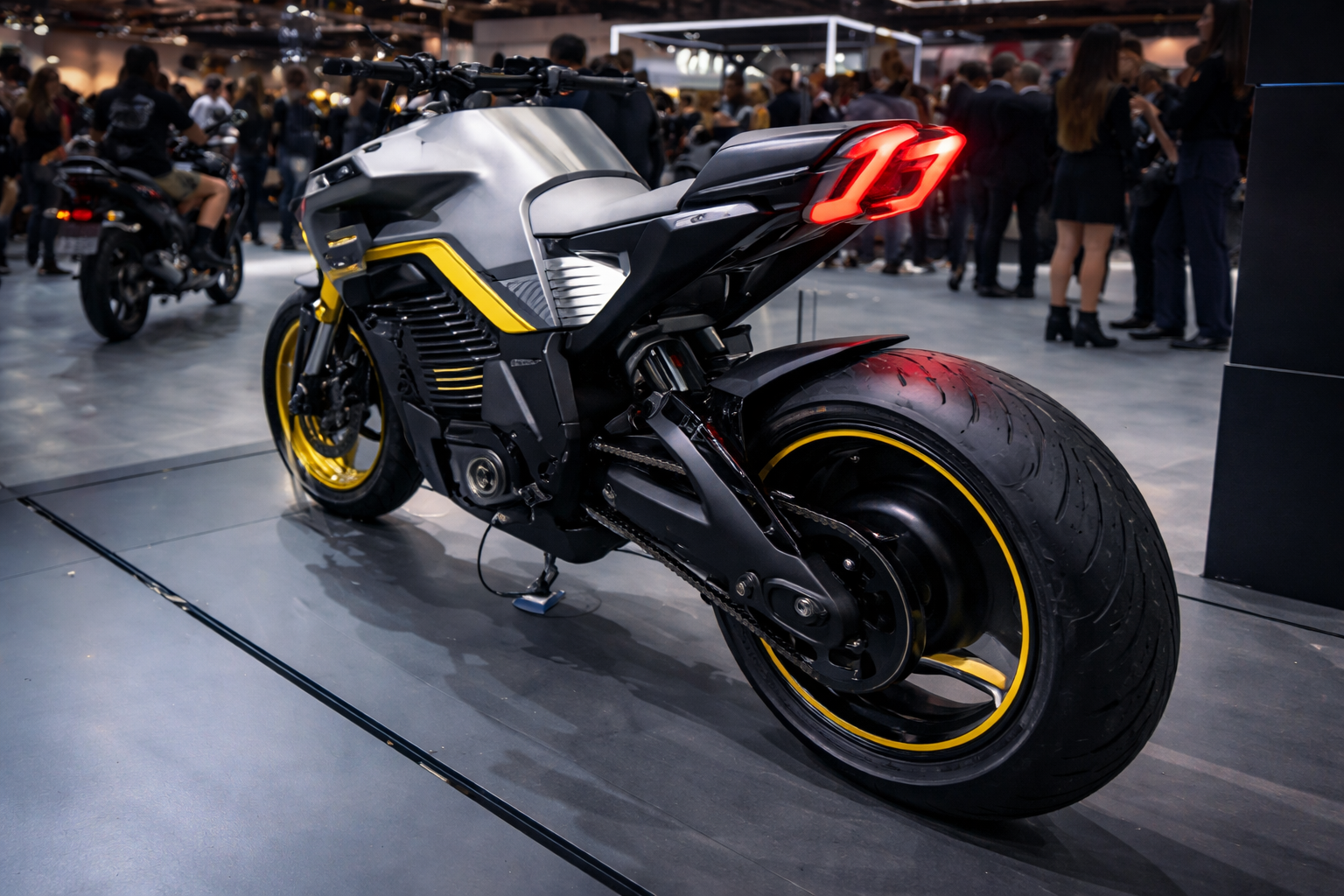
Streetfighters are known for raw presence: upright ergonomics, muscular proportions, and an unapologetic stance. This concept embraces that DNA and translates it into an electric form. Instead of hiding the EV hardware, the design celebrates it—sharp body lines, exposed elements, and a compact mass that looks ready to pounce.
The headlamp cluster is slim and predatory, the tank area (now a design element rather than a fuel container) is sculpted, and the tail section is tight. The result feels purpose-built rather than adapted. Importantly, the bike doesn’t try to look like a petrol motorcycle; it looks like a next-gen machine designed from a clean sheet.
TVS e.FX.30 Design Language: Aggressive Yet Functional
Form follows intent
Every angle communicates intent. The wide handlebar suggests leverage and control, while the short wheelbase look hints at agility. Aerodynamic surfaces appear where they matter—around the front and side panels—without resorting to oversized fairings that would dilute the streetfighter ethos.
Premium components, concept confidence
Upside-down front forks, a rear monoshock, large disc brakes, and sport-oriented tyres point toward a performance brief. While final production specs aren’t public, the concept hardware signals that this isn’t meant to be a mild-mannered city EV.
Lighting as identity
Full LED lighting, including a distinctive DRL signature, gives the bike instant recognition. In a crowded EV space, a strong lighting identity can be as important as performance numbers—and this design clearly understands that.
Technology Stack: More Than Just an Electric Motor
One reason the concept stands out is its tech-forward approach. It hints at features that are still rare—even unheard of—on motorcycles.
Advanced rider assistance (ADAS – concept preview)
The idea of motorcycle ADAS is still evolving. This concept teases safety aids like blind-spot alerts and collision warnings using sensors and cameras. If even a subset of this reaches production, it would mark a meaningful leap in two-wheeler safety.
Dual dashcams
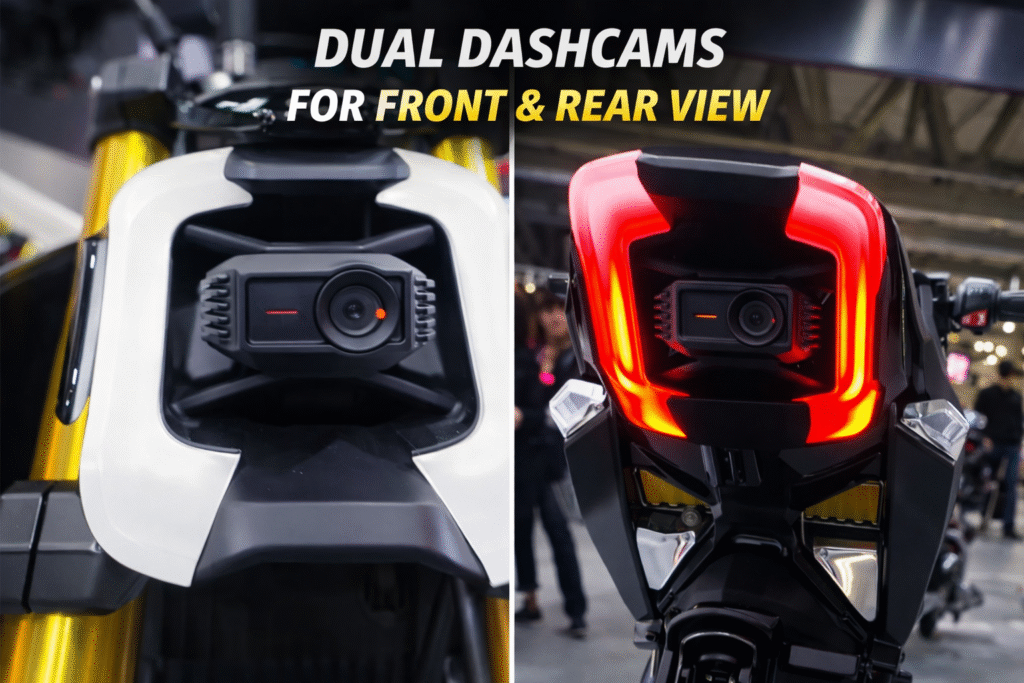
Integrated front and rear cameras aren’t just about safety—they’re about accountability, content creation, and connected riding. For riders who commute daily or tour on weekends, built-in recording could become a compelling differentiator.
Large TFT with connectivity
A modern TFT display is expected at this level, but the emphasis here is on clarity, customization, and seamless smartphone integration. Navigation, ride data, alerts, and over-the-air updates are all part of the vision.
TVS e.FX.30 Performance Philosophy: Electric, Not Apologetic
Rather than chasing headline range numbers, the concept focuses on performance feel. Electric torque delivery promises instant response—ideal for a streetfighter that thrives on quick direction changes and rapid acceleration bursts.
A belt-drive setup is showcased, which typically means quieter operation and lower maintenance than a chain. Combined with a compact motor and centralized mass, the riding experience is expected to be smooth yet engaging.
While official power figures haven’t been released, the positioning suggests a step above commuter EVs and closer to performance-oriented electric motorcycles. In other words, this is about smiles per kilometer, not just kilometers per charge.
Riding Ergonomics and Urban Intent
Streetfighters live in the real world—traffic, twisty roads, and short highway sprints. The upright seating position implied by the concept favors visibility and control. The narrow waist should help with maneuverability, while the sporty footpeg placement hints at enthusiastic cornering ability.
For urban riders who want excitement without committing to full-fairing sport bikes, this balance is crucial. The concept appears to understand that perfectly.
Production Reality Check: What Might Change?
Concepts are aspirational by nature, and production realities often demand compromises. Here’s a grounded look at what’s likely to evolve:
- ADAS scope: Full systems may be scaled down initially to keep costs reasonable.
- Camera integration: Dual cameras could remain as optional or premium features.
- Battery and range tuning: Expect optimization for everyday usability rather than track-focused performance.
- Materials: Exotic finishes may give way to durable, mass-production-friendly components.
What likely won’t change is the core identity: a premium electric streetfighter with a strong visual and technological statement.
Why This Concept Matters for the Indian EV Landscape
The electric two-wheeler market has been dominated by scooters and practical commuters. Performance EV motorcycles are still niche. This concept challenges that status quo by asking a simple question: Why can’t electric bikes be emotional and exciting?
If a production version arrives with even 70–80% of the showcased intent, it could:
- Push competitors to think beyond range and pricing alone
- Attract younger riders who value design and tech
- Elevate expectations for what an Indian electric motorcycle can be
That ripple effect could be its biggest contribution—regardless of exact specs.
TVS e.FX.30 vs Today’s Electric Bikes: A Mindset Shift
Most current electric bikes prioritize efficiency and cost. This concept prioritizes identity and experience. It’s a mindset shift from “electric as an alternative” to “electric as an upgrade.”
That distinction matters. When riders choose an EV because it’s desirable—not just responsible—the category truly matures.
The Road Ahead
There’s no confirmed launch date, price, or final specification sheet yet. But concepts like this are rarely throwaway exercises. They’re testbeds for design language, technology, and brand direction.
Whether it reaches showrooms soon or later, the ideas previewed here are likely to influence future models—electric or otherwise.
Final Thoughts
The TVS e.FX.30 stands out because it dares to be aspirational in a space that often plays it safe. Its streetfighter stance, technology-led approach, and performance-first philosophy make it more than just another electric concept. It’s a statement of intent—one that suggests electric motorcycles can thrill, inspire, and look stunning while doing so.
If this vision translates into a production motorcycle, it won’t just add another EV to the market—it could redefine what riders expect from electric performance bikes.