Parle-G — the name that instantly reminds every Indian of childhood tea breaks, school tiffin boxes, and that unmistakable aroma of glucose biscuits. From its humble beginnings in 1939 to becoming a global phenomenon, Parle-G has stood the test of time.
It’s not just a biscuit brand; it’s an emotion, a tradition, and a true reflection of India’s growth story. Over eight decades, Parle-G has evolved from being a simple snack to an enduring symbol of trust, affordability, and consistency.
Table of Contents
The Birth of Parle-G – A Glucose Biscuit for the Nation
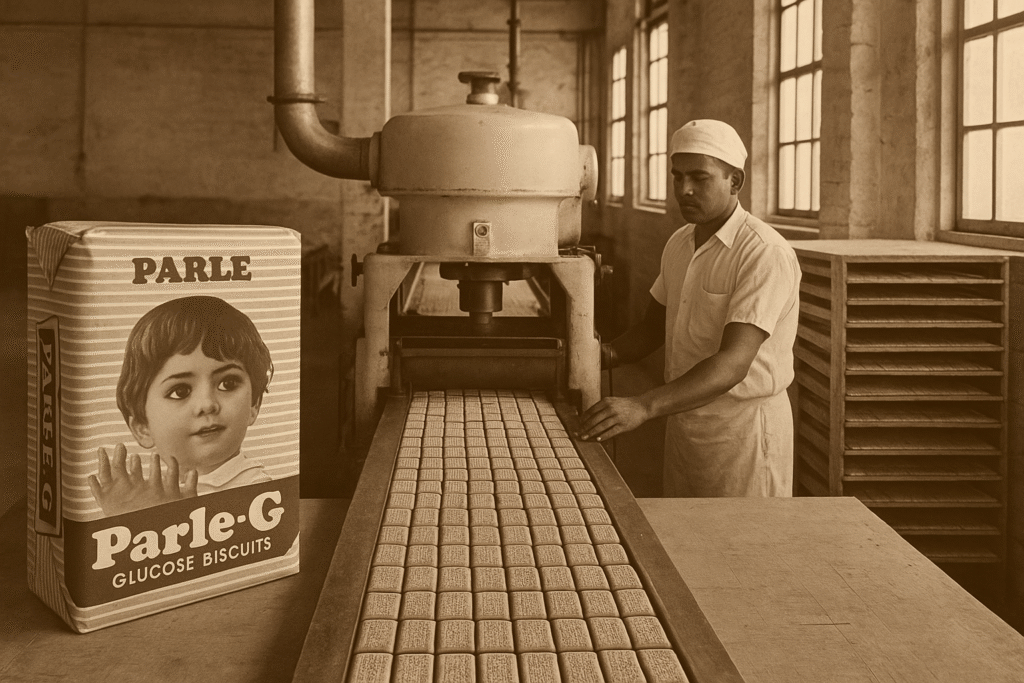
When Parle-G was first launched in 1939, India was under British rule, and most biscuits available in the market were imported, expensive, and catered only to the elite. A small company named Parle Products Pvt. Ltd., based in Mumbai, decided to change that. Their vision was simple yet revolutionary — to create an affordable and high-quality biscuit that every Indian could enjoy.
Thus, Parle-G was born — short for “Parle Glucose.” The biscuit quickly became a household favorite because it offered energy, taste, and value at an unbeatable price. While other brands targeted urban markets, Parle-G reached the heart of rural India, becoming the first truly people’s biscuit.
Parle-G and the Power of Simplicity
What made Parle-G stand out was its simplicity. No flashy advertisements, no celebrity endorsements — just pure trust built over generations. The iconic yellow-and-white wrapper with the cute little girl became instantly recognizable. Interestingly, that little girl on the Parle-G packet isn’t a real person but a symbol of every Indian child — innocent, smart, and full of potential.
The company’s philosophy was clear: Parle-G should remain accessible to all, whether a child in a small village or a corporate worker in a big city. The brand’s focus on affordability without compromising quality made it timeless.
The Marketing Genius Behind Parle-G
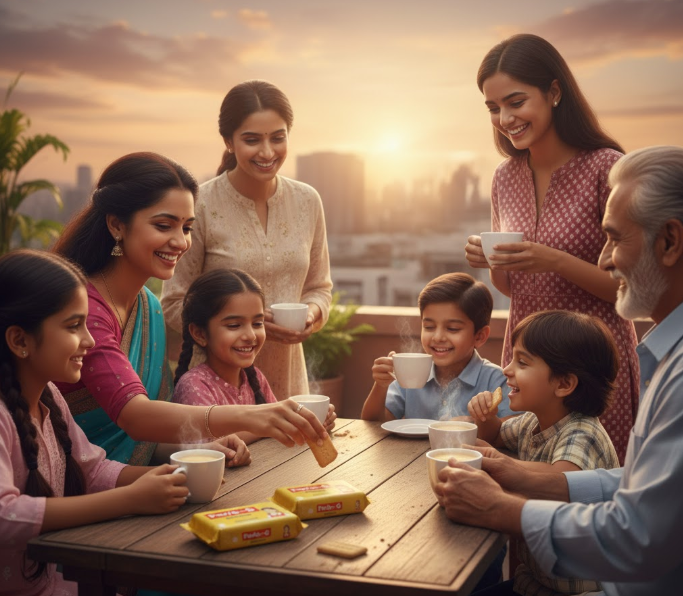
Despite minimal advertising, Parle-G’s marketing has always been brilliant. The tagline “G for Genius” perfectly captured the brand’s identity — connecting glucose (energy) with intelligence. This simple phrase resonated with millions, especially parents who believed Parle-G was a healthy, nourishing choice for their children.
Even during the 1980s and 1990s, when other companies spent millions on glamorous campaigns, Parle-G stuck to emotional storytelling. Commercials often showed family moments, school kids, and chai breaks — real, relatable scenes that mirrored the Indian way of life.
Parle-G’s Unmatched Business Success
Over the years, Parle-G transformed from a local brand into a global leader. By the early 2000s, it had become the world’s best-selling biscuit brand, according to Nielsen reports. The company’s ability to maintain quality, control prices, and ensure massive distribution played a huge role in this success.
Today, Parle-G is exported to over 100 countries, including the U.S., Canada, the Middle East, and Africa. Its affordability and nostalgic taste make it popular among Indian communities abroad. Even with fierce competition from Britannia, Sunfeast, and international players, Parle-G continues to dominate the market — proof that trust and consistency never go out of style.
Parle-G in Times of Crisis
One of the most heartwarming aspects of Parle-G’s journey is how it has always been there for people during tough times. During the COVID-19 lockdown, Parle-G became India’s most distributed food item. Millions of packets were donated to migrants, children, and needy families. The company reported record-breaking sales during this period, not due to marketing, but because people instinctively trusted Parle-G.
Whether it was flood relief camps, railway journeys, or school mid-day meals, Parle-G has always been a symbol of comfort and care.
The Secret Behind Parle-G’s Longevity
The enduring success of Parle-G can be credited to a few key factors:
- Affordability: The brand never lost touch with its audience. Even today, Parle-G remains one of the most affordable packaged snacks in India.
- Consistency: The taste, texture, and aroma have remained unchanged for decades — a rare feat in the FMCG industry.
- Emotional Connection: Generations have grown up with Parle-G, making it a part of Indian culture.
- Distribution Network: Parle’s supply chain reaches even the remotest villages.
- Brand Values: Simplicity, honesty, and reliability form the core of Parle-G’s identity.
Parle-G and Cultural Impact
Parle-G is not just a biscuit — it’s part of India’s cultural fabric. Artists have painted it, writers have written about it, and meme creators continue to celebrate it online. The brand evokes nostalgia, reminding people of simpler times — tea with grandparents, school picnics, and rainy afternoons.
Even in pop culture, Parle-G has found a place — in movies, advertisements, and even social media trends. It’s not an exaggeration to say that Parle-G has achieved what few brands ever do — becoming a part of collective memory.
The Future of Parle-G
As India’s economy evolves, Parle-G continues to adapt while preserving its original charm. The company has expanded into new product lines like Parle Hide & Seek, Krackjack, and Monaco, yet Parle-G remains the flagship brand.
In 2025 and beyond, Parle-G plans to strengthen its global presence, focusing on healthier variants, eco-friendly packaging, and digital marketing strategies. But one thing is certain — no matter how modern the world becomes, the essence of Parle-G will remain unchanged.
Conclusion
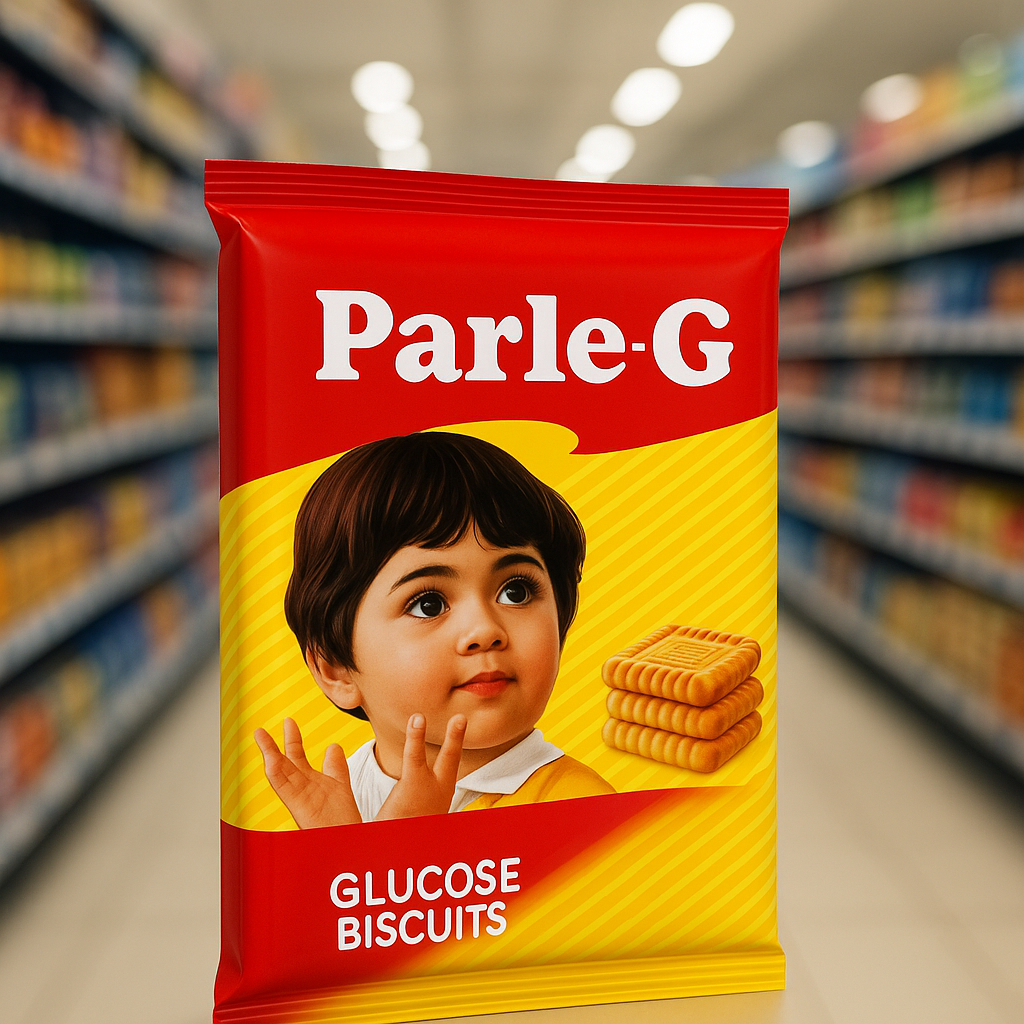
From a small factory in 1939 to becoming the heartbeat of a billion Indians, Parle-G has redefined what it means to be a brand with purpose. Its success story isn’t about aggressive marketing or luxury pricing — it’s about trust, simplicity, and connection. Every bite of Parle-G tells a story — of India’s progress, resilience, and shared memories.
Even after 85 years, Parle-G continues to prove that real genius lies not in change, but in staying true to one’s roots.