When it comes to innovation in the automotive industry, Tesla Technologies stand far above the rest. From electric powertrains to artificial intelligence-driven software, Tesla has consistently proven that it’s not just another car company — it’s a tech powerhouse redefining mobility. Founded by Elon Musk, Tesla’s mission has always been clear: to accelerate the world’s transition to sustainable energy. But it’s the groundbreaking Tesla Technologies that make this mission a reality.
Let’s explore five revolutionary Tesla innovations that are years ahead of competitors and changing the way the world drives.
Table of Contents
1. Tesla’s Autopilot and Full Self-Driving (FSD) System
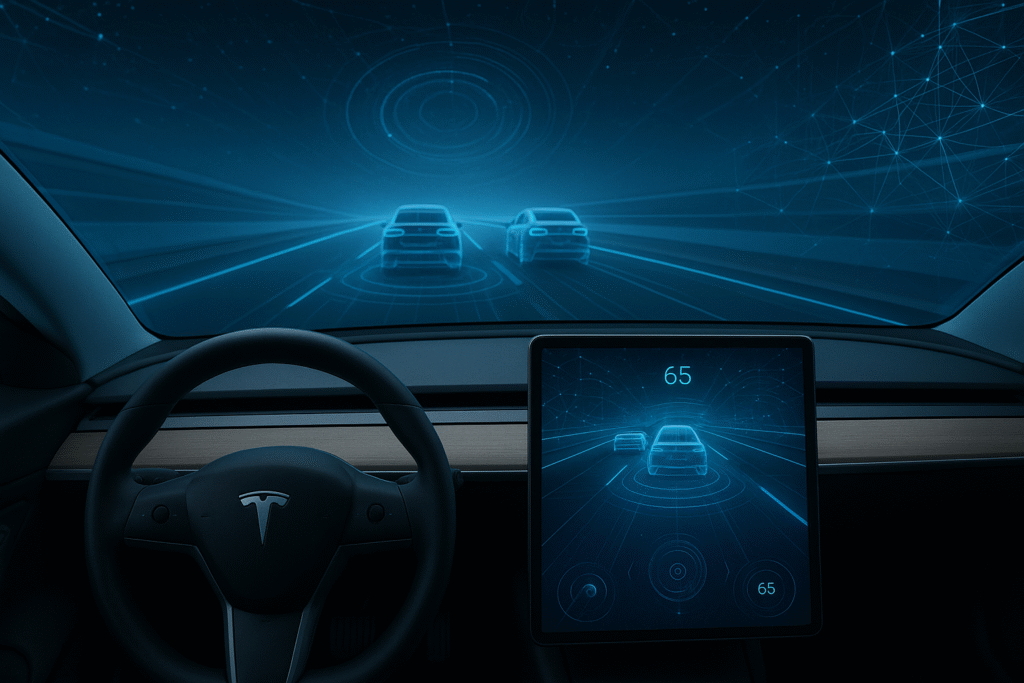
Among all Tesla Technologies, the most talked-about is its Autopilot and Full Self-Driving (FSD) capability. While other automakers are still experimenting with semi-autonomous systems, Tesla has already created a real-world network of self-learning cars.
Tesla’s Autopilot uses advanced neural networks, powered by millions of real-world driving data points, to improve over time. The vehicles constantly collect and share data with Tesla’s central AI, allowing every Tesla on the road to get smarter with each mile driven.
Unlike competitors who depend heavily on expensive LiDAR sensors, Tesla relies on vision-based AI, using multiple cameras, ultrasonic sensors, and advanced software to mimic human perception. This approach not only reduces cost but also improves accuracy and adaptability in real-world conditions.
Simply put, Tesla’s Autopilot is not a feature — it’s a constantly evolving AI-driven technology ecosystem that keeps Tesla years ahead of the competition.
2. Tesla’s Battery Technology and Energy Efficiency
Another pillar of Tesla Technologies is its world-class battery innovation. Tesla’s success in electric vehicles (EVs) is built on its superior battery design, chemistry, and manufacturing.
Tesla’s 4680 battery cells are a major breakthrough — offering higher energy density, faster charging, and lower production costs. These batteries store more power in less space, making Tesla cars lighter, faster, and more energy-efficient.
Beyond cars, Tesla’s battery tech powers its Powerwall, Powerpack, and Megapack — products designed to store renewable energy for homes, businesses, and even entire cities. This is where Tesla’s vision goes beyond transportation and enters the future of clean energy infrastructure.
In short, Tesla doesn’t just make electric cars — it creates an entire ecosystem of sustainable energy technologies.
3. Tesla’s Over-the-Air (OTA) Software Updates
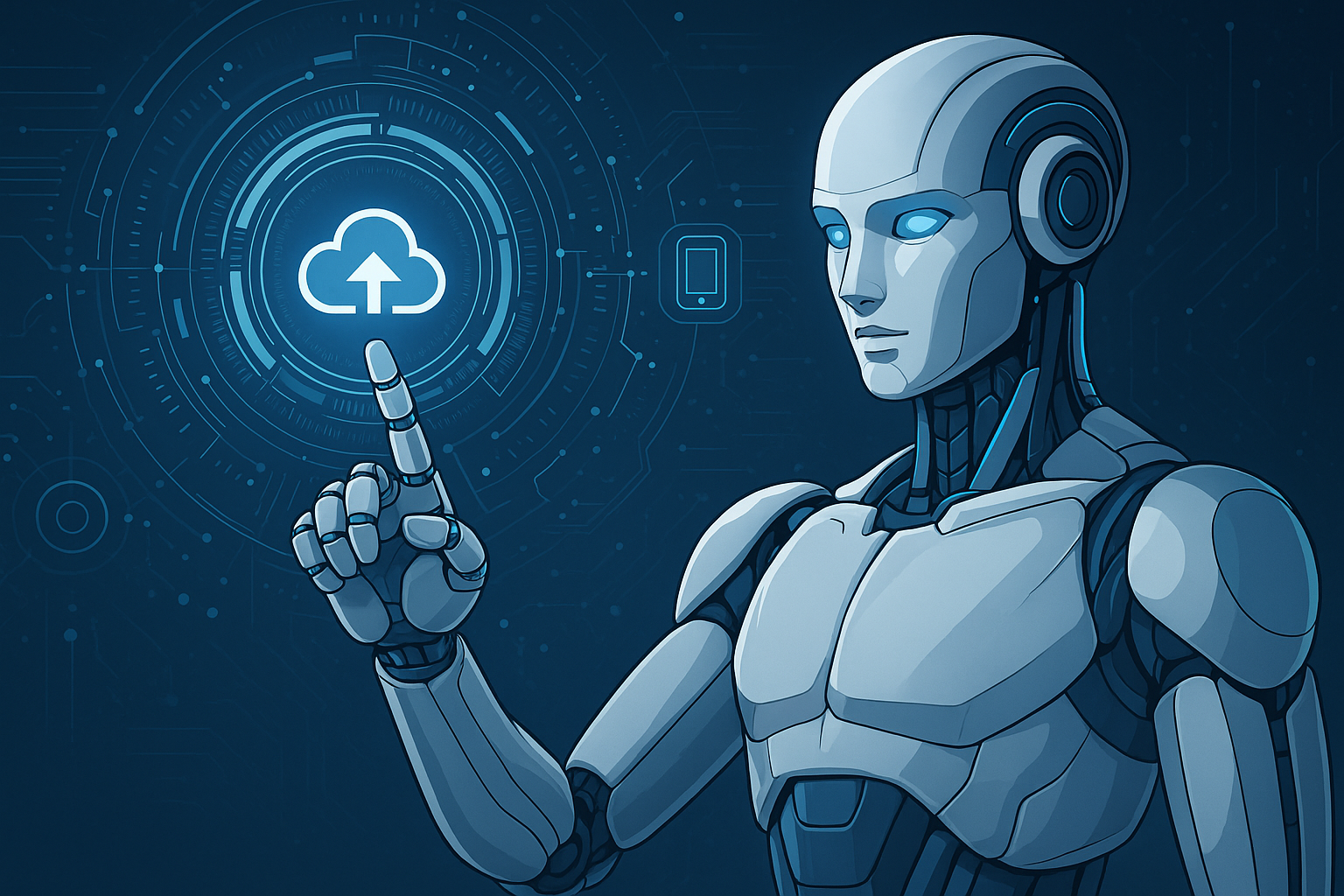
While traditional carmakers require you to visit service centers for upgrades, Tesla Technologies bring innovation directly to your driveway. Thanks to over-the-air (OTA) updates, Tesla continuously improves car performance, adds new features, and enhances safety — all remotely.
Your Tesla can literally get faster, smarter, and safer overnight. Whether it’s optimizing battery efficiency, refining Autopilot, or introducing new entertainment features, Tesla uses OTA updates to ensure every vehicle remains at the cutting edge.
This software-first mindset transforms cars into dynamic, evolving machines — a concept that most automakers are still trying to catch up with.
Tesla treats every car as part of a connected ecosystem, just like smartphones — and that’s a game-changer.
4. Tesla’s Gigafactories and Manufacturing Innovation
Behind every Tesla is another technological marvel — the Gigafactory. These massive facilities are not just factories; they’re examples of Tesla Technologies applied to industrial efficiency.
Each Gigafactory is designed to scale production of batteries, vehicles, and energy products with minimal waste and maximum automation. Tesla’s innovative “machine that builds the machine” approach uses AI, robotics, and real-time data analytics to streamline production.
The result? Tesla produces high-quality EVs faster and more efficiently than almost any other automaker. Its vertical integration model — controlling everything from battery design to software — gives it complete control over quality, cost, and innovation speed.
This manufacturing edge ensures Tesla stays light-years ahead of traditional automakers still relying on outdated production models.
5. Tesla’s Neural Network and AI Hardware
Among the most futuristic Tesla Technologies is its neural network and AI hardware. Tesla doesn’t just rely on off-the-shelf processors — it designs its own custom AI chips optimized for self-driving performance.
Tesla’s Dojo supercomputer, for instance, is built specifically for training AI models on massive datasets gathered from millions of Tesla cars. Dojo processes visual data faster than almost any other system, allowing Tesla’s self-driving software to recognize complex road scenarios with unmatched precision.
This vertically integrated AI approach — combining hardware, software, and real-world data — is something no competitor has matched. It’s what enables Tesla to continuously push the boundaries of autonomy and intelligence in transportation.
The Future of Tesla Technologies
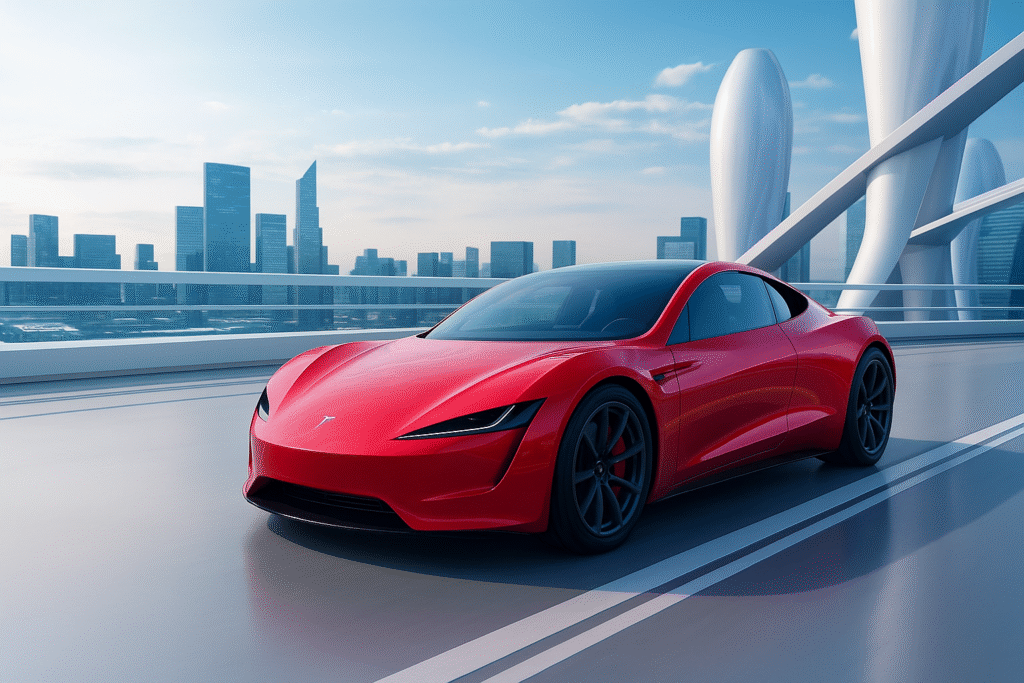
The brilliance of Tesla Technologies lies not just in innovation but in integration. Every Tesla product — from vehicles to batteries to solar panels — works as part of a larger ecosystem aimed at sustainability and self-reliance.
As Tesla continues to refine its AI, develop new energy solutions, and expand Gigafactories worldwide, the future looks electric — literally. With technologies that learn, adapt, and evolve, Tesla is not only leading the EV race but also shaping the next era of human mobility.
While other automakers chase trends, Tesla Technologies define them. The company’s combination of intelligence, efficiency, and innovation ensures that Tesla remains years ahead of competitors — and perhaps, an entire generation ahead of time.