Table of Contents
Introduction: SpaceX and the Dream Beyond Earth
SpaceX has become a symbol of innovation, ambition, and the relentless pursuit of the impossible. Founded by visionary entrepreneur Elon Musk, SpaceX’s mission is not just about building rockets—it’s about ensuring the survival and expansion of humanity beyond Earth. The idea of making life multi-planetary is no longer science fiction; it’s a concrete goal that SpaceX is actively working toward. Through groundbreaking technology, reusable rockets, and the dream of colonizing Mars, SpaceX is redefining the future of human civilization.
The Birth of SpaceX: A Vision Fueled by Purpose
The story of SpaceX began in 2002 when Elon Musk invested his own fortune to revolutionize space technology. Musk’s motivation was clear—reduce the cost of space travel and make space accessible for everyone. At that time, launching a spacecraft was prohibitively expensive, and space exploration had stagnated after the Cold War era.
Musk envisioned a company that could build reusable rockets, dramatically cutting costs and paving the way for long-term missions to other planets. This vision set SpaceX apart from traditional aerospace companies. With every launch, test, and setback, the company moved closer to its ultimate dream—turning humanity into a multi-planetary species.
SpaceX and the Revolution of Reusable Rockets
One of SpaceX’s most significant contributions to space exploration is the development of reusable rocket technology. Traditionally, rockets were discarded after each launch, making every mission extremely expensive. SpaceX changed that with its Falcon 9 rocket, which can land vertically and be reused for multiple flights.
This innovation has drastically reduced launch costs and increased reliability. The successful landings of Falcon 9 and Falcon Heavy boosters have become iconic moments in space history. Through these advancements, SpaceX has proven that sustainable and affordable space travel is not only possible but practical.
The Starship Project: Gateway to Mars
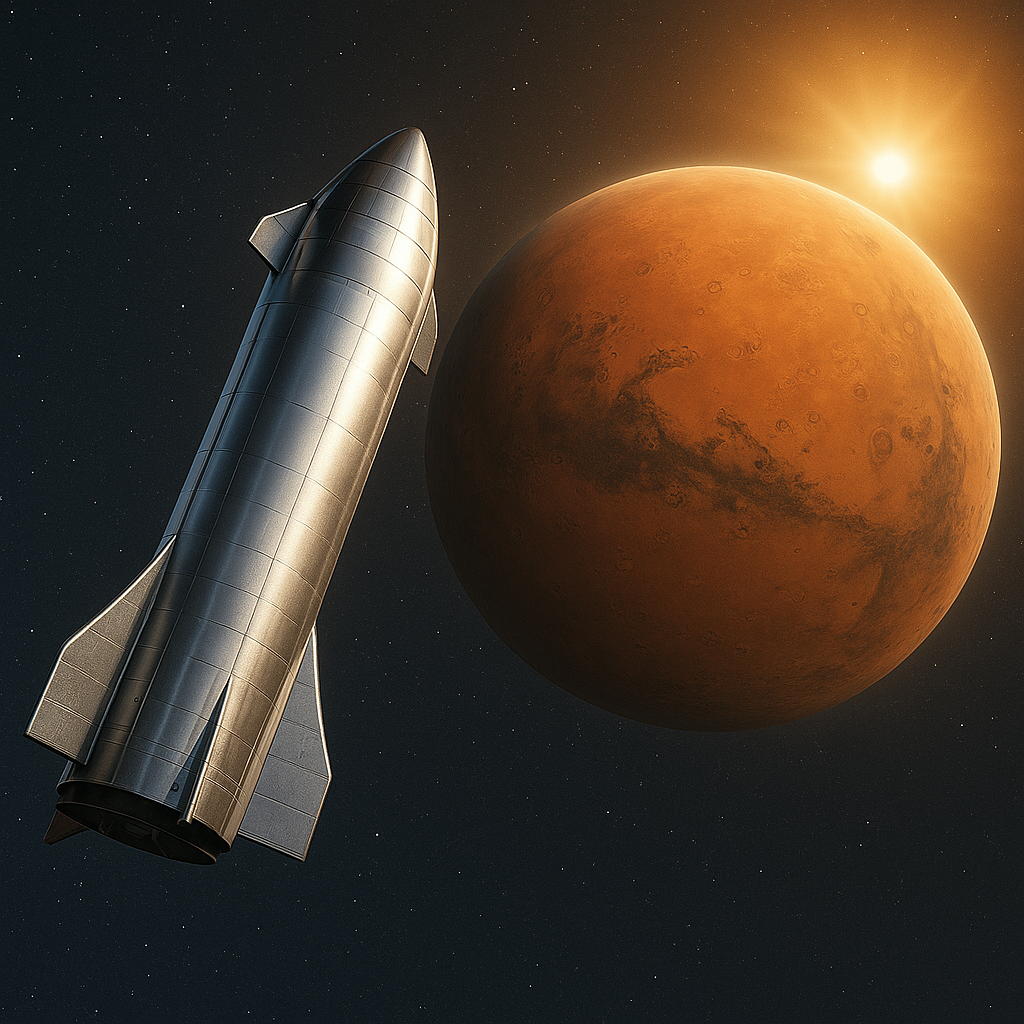
At the heart of SpaceX’s mission to make humanity multi-planetary lies Starship—a fully reusable spacecraft designed to carry humans and cargo to the Moon, Mars, and beyond. Starship represents the next evolutionary leap in space technology. Standing over 120 meters tall and powered by Raptor engines, it is the most powerful launch vehicle ever built.
Elon Musk envisions Starship as the vessel that will carry the first humans to Mars. According to him, SpaceX aims to establish a self-sustaining city on Mars, with thousands of ships ferrying people, equipment, and resources between Earth and the Red Planet. The ultimate goal is to make life multiplanetary—ensuring humanity’s survival in case of global catastrophes on Earth.
Partnerships and Collaborations: SpaceX and NASA
While SpaceX is a private company, it has worked closely with NASA to advance human spaceflight. The Commercial Crew Program marked a new era in space exploration, as SpaceX became the first private company to send astronauts to the International Space Station (ISS). The Crew Dragon spacecraft successfully carried astronauts from U.S. soil for the first time since the Space Shuttle program ended in 2011.
This collaboration not only demonstrated SpaceX’s reliability but also showed that private companies can play a vital role in government space missions. The partnership between SpaceX and NASA continues to expand, laying the groundwork for future lunar and Martian missions.
SpaceX’s Impact on the Global Space Industry
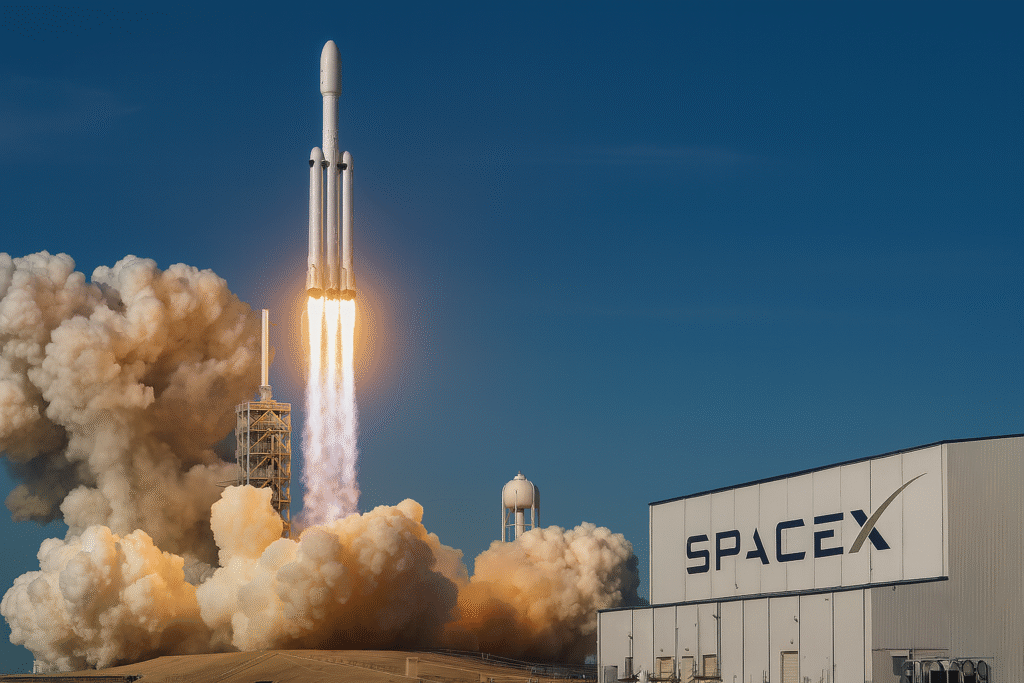
Before SpaceX, the space industry was dominated by a few government agencies and traditional aerospace corporations. Today, SpaceX has completely disrupted this landscape. Its reusable rockets and competitive pricing have opened the door for private companies, research institutions, and even smaller nations to access space.
Moreover, through Starlink, SpaceX is revolutionizing global communication. Starlink’s constellation of thousands of satellites provides high-speed internet to remote areas worldwide. This not only generates revenue for SpaceX but also supports its long-term Mars ambitions by funding research and development.
Challenges on the Road to Becoming Multi-Planetary
While SpaceX has achieved remarkable success, the path to making humanity multi-planetary is filled with challenges. Colonizing Mars requires overcoming extreme environmental conditions—radiation, thin atmosphere, and freezing temperatures.
There are also ethical and logistical questions about planetary protection, sustainability, and governance. How will humans survive on Mars? What will be the legal system of a Martian colony? These questions remind us that SpaceX’s mission is not just technological—it’s deeply philosophical and societal.
However, Musk and his team remain undeterred. Their approach of rapid prototyping, iterative testing, and bold risk-taking has already yielded historic breakthroughs. Every failure brings SpaceX closer to success.
Inspiring the Next Generation of Dreamers
Perhaps the most profound impact of SpaceX is the inspiration it provides to millions around the world. Young engineers, scientists, and dreamers are motivated by the company’s audacious goals. The idea that humanity could one day walk on Mars no longer feels like a fantasy—it’s a project under active development.
Through SpaceX, Elon Musk has reignited global interest in space exploration. Schools, universities, and startups around the world are now investing in aerospace innovation, robotics, and AI—all inspired by the same dream: to push humanity beyond the boundaries of Earth.
The Future: SpaceX and Beyond
The future of SpaceX looks more promising than ever. With continuous advancements in rocket technology, deep-space communication, and life-support systems, the company is steadily paving the way toward interplanetary colonization.
Musk’s long-term vision is clear: to make life on Mars sustainable, self-sufficient, and thriving. Beyond Mars, SpaceX could play a role in colonizing other celestial bodies like the Moon, Europa, or even Titan. Each milestone brings humanity one step closer to securing its place among the stars.
Conclusion: SpaceX – Redefining Humanity’s Destiny
In the grand story of human civilization, SpaceX stands as a defining chapter. What once seemed impossible is now within reach. Elon Musk’s dream of a multi-planetary future challenges us to look beyond our blue planet and imagine a destiny among the stars.
SpaceX is not just launching rockets—it’s launching humanity’s future. Its mission to make life multi-planetary is a reminder that our potential knows no limits when we combine vision, technology, and courage. As Musk often says, “We’re going to make life multiplanetary.” With SpaceX leading the way, that dream is no longer a distant vision—it’s our next great adventure.