The Zomato and Swiggy Success Story is one of India’s most remarkable business transformations, showcasing how two startups redefined convenience, digital innovation, and consumer behavior in the food delivery space. From humble beginnings to becoming billion-dollar giants, Zomato and Swiggy have not just changed how Indians eat but have also reshaped the country’s restaurant ecosystem. In 2025, their story continues to inspire entrepreneurs across the globe who aspire to build something equally impactful.
Table of Contents
The Beginning of the Zomato and Swiggy Success Story
The Zomato and Swiggy Success Story began with a shared vision — to make food accessible at the tap of a button. Zomato started in 2008 as “Foodiebay,” a restaurant discovery platform founded by Deepinder Goyal and Pankaj Chaddah. Meanwhile, Swiggy entered the market in 2014, founded by Sriharsha Majety, Nandan Reddy, and Rahul Jaimini, with a more focused approach on food delivery logistics.
While Zomato helped users discover new restaurants and read reviews, Swiggy revolutionized the experience by ensuring fast, reliable delivery through its fleet of delivery partners. Together, they built the foundation for India’s massive food-tech boom.
How Zomato and Swiggy Changed Consumer Habits
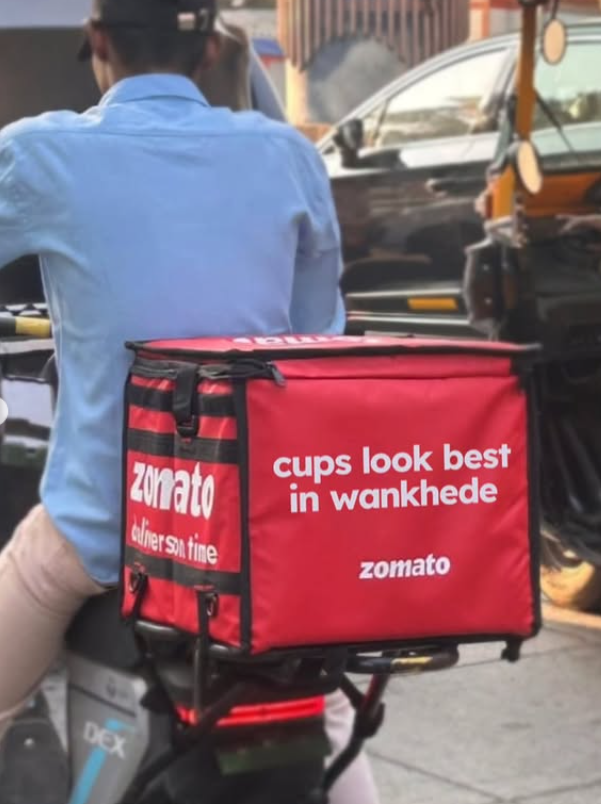
The Zomato and Swiggy Success Story is deeply tied to India’s evolving lifestyle and the rise of digital payments. In the pre-2015 era, ordering food online was still a novelty. But with smartphones, affordable data plans, and growing trust in digital transactions, food delivery became a daily habit.
Zomato and Swiggy capitalized on this shift by making the process seamless — from browsing menus and reading reviews to paying online and tracking deliveries in real-time. Their apps became a part of urban Indian culture, often being the go-to solution for students, working professionals, and families alike.
By 2025, both companies have turned food delivery from an occasional indulgence into an essential service.
Business Model Behind the Zomato and Swiggy Success Story
At the heart of the Zomato and Swiggy Success Story lies an innovative and adaptive business model. Both companies operate on a multi-layered approach involving:
- Commission from Restaurants: A percentage of every order value.
- Delivery Charges: Nominal fees paid by customers.
- Subscription Plans: Zomato Gold and Swiggy One, offering discounts and free deliveries.
- Advertising Revenue: Restaurants pay for visibility and promotions.
In 2025, both platforms have diversified further — entering into grocery delivery (Zomato Everyday, Swiggy Instamart), quick commerce, and cloud kitchen partnerships. This diversification has helped them sustain profitability while catering to evolving consumer demands.
The Tech Innovation Behind the Growth
Another crucial element of the Zomato and Swiggy Success Story is technology. AI-driven algorithms, real-time tracking, dynamic pricing, and predictive demand analytics have made their platforms smarter than ever.
Swiggy uses AI to optimize delivery routes, reducing delivery time significantly. Zomato leverages machine learning to personalize restaurant recommendations based on user behavior. These innovations not only enhance user experience but also increase efficiency and reduce operational costs.
Zomato and Swiggy During the Pandemic
The Zomato and Swiggy Success Story would be incomplete without mentioning their resilience during the COVID-19 pandemic. When restaurants were closing down and deliveries came to a halt, both companies quickly adapted.
They introduced contactless delivery, safety-sealed packaging, and health monitoring for delivery partners. Zomato even ventured into grocery delivery through “Zomato Market,” while Swiggy expanded “Instamart” and “Genie” (for parcel delivery).
These moves helped them survive one of the toughest economic periods while continuing to serve millions of customers stuck at home.
The Competitive Edge: What Makes Zomato and Swiggy Different
While both brands operate in the same space, the Zomato and Swiggy Success Story shows that their strengths lie in different areas.
- Zomato excels in restaurant discovery, reviews, and international expansion.
- Swiggy focuses on hyperlocal delivery and operational efficiency.
Together, their healthy competition has benefited consumers — better discounts, faster deliveries, and improved customer service. This rivalry pushed innovation and set higher standards for the entire food-tech industry.
Economic Impact of Zomato and Swiggy
The Zomato and Swiggy Success Story is not just about convenience; it’s also about employment and economic growth. By 2025, the two companies collectively employ millions of delivery partners across India.
Their growth has also helped thousands of restaurants — small and large — thrive in the digital age. Cloud kitchens, powered by Zomato and Swiggy’s data insights, have created new business opportunities for entrepreneurs who don’t even need a physical restaurant space.
Moreover, both companies contribute significantly to India’s startup ecosystem, inspiring new ventures in logistics, quick commerce, and tech-driven retail.
Zomato and Swiggy in 2025: The Future of Food Tech
By 2025, the Zomato and Swiggy Success Story continues to evolve with cutting-edge innovation. The companies are investing heavily in drone delivery pilots, sustainable packaging, and AI-driven kitchen automation.
Zomato’s focus on sustainability through electric delivery fleets and Swiggy’s emphasis on hyperlocal logistics are setting new industry standards. Both platforms are also integrating healthier meal options, nutrition tracking, and eco-friendly initiatives to appeal to conscious consumers.
With India’s urban population continuing to grow, food-tech services like Zomato and Swiggy are expected to play a key role in shaping the future of convenience dining.
Lessons from the Zomato and Swiggy Success Story
Entrepreneurs and startups can learn several lessons from the Zomato and Swiggy Success Story:
- Adaptability is Key: Both brands evolved their business models based on market changes.
- Customer Experience Comes First: Every feature they added was designed to simplify life for users.
- Technology Drives Growth: Data, AI, and automation played crucial roles in scaling their operations.
- Diversification Ensures Survival: Moving into new segments like grocery delivery helped them stay profitable.
- Strong Branding Matters: Their creative marketing campaigns and consistent customer engagement built trust and loyalty.
Conclusion: The Ongoing Legacy
In conclusion, the Zomato and Swiggy Success Story represents a revolution that continues to define India’s digital economy. What started as two ambitious startups has become a lifestyle ecosystem connecting millions of people to food, convenience, and technology.
Their success proves that innovation, customer-centric thinking, and resilience can turn challenges into billion-dollar opportunities. In 2025 and beyond, Zomato and Swiggy stand as shining examples of how homegrown Indian brands can lead the world in transforming industries — one meal at a time.